
Quick Summary: Jeju Island on a Budget
- Estimated Daily Cost: ₩45,000 – ₩75,000 (~$33 – $55 USD) per person (Includes accommodation, transit, food, and activities).
- Best Time to Visit: April to May (Spring blossoms) and September to November (Autumn foliage & silver grass).
- Recommended Duration: 4 to 5 Days (2 nights Jeju City, 2 nights Seogwipo City).
- Trip Difficulty: Moderate (Requires light walking and basic public bus navigation).
For decades, travel guidebooks have repeated the same standard advice: “You cannot explore Jeju Island without renting a car.” Having spent over ten years living in Seoul and making dozens of research trips across the Korea Strait, this guide at Searching Korea can confidently tell you that this advice is completely outdated. Thanks to Jeju’s multi-million-dollar public transit overhaul and an expansive network of interconnected walking trails, traveling Jeju on a budget without a vehicle is not only possible—it is often far less stressful than navigating narrow coastal roads and fighting for parking at packed tourist sites.
Known as South Korea’s “Hawaii,” Jeju Island (Jeju-do) features towering volcanic peaks, emerald coastal turquoise waters, dense pine forests, and a unique culinary landscape distinct from mainland Korea. While luxury resorts and private taxi drivers can quickly drain your wallet, Jeju remains exceptionally welcoming to budget-conscious travelers. In this comprehensive guide, we unpack exact public bus routes, zero-cost scenic trails, secret local eateries, and practical financial breakdowns to help you experience the best of Jeju without breaking the bank.
1. Mastering Jeju’s Public Bus System (No Rental Car Needed)
In late 2017, the Jeju Provincial Government entirely overhauled the island’s public transit network, introducing dedicated bus lanes, color-coded routes, unified English signage, free high-speed Wi-Fi on every bus, and flat fares. if you plan your itinerary around the main arterial lines, you can reach virtually every major natural attraction on the island for less than ₩3,000 (~$2.20 USD) per ride.
Understanding the Bus Color System
Jeju’s buses are strictly color-coded by route type. Understanding this system is your key to efficient navigation:
- Red Buses (Express Routes / Rapid Transit #101–#182): These buses link Jeju International Airport, Jeju City Intercity Bus Terminal, and Seogwipo Central Terminal via expressway bypasses, stopping only at major hub stations. Fares range from ₩2,000 to ₩3,000 (~$1.50 – $2.20 USD) depending on distance.
- Blue Buses (Main Trunk Lines #200–#300 series): These are the workhorses of the island, connecting cities to major townships and coastal zones. Flat fare: ₩1,150 (~$0.85 USD) when using a transit card.
- Green Buses (Local/Branch Lines #400 & #700 series): These smaller feeder buses connect rural villages, interior volcanic cones (Oreums), and Olle trail heads to the main blue lines. Flat fare: ₩1,150 (~$0.85 USD).
- Yellow Buses (Tourist Shuttle Buses #810 & #820): Specially designated routes catering to tourists in the East and West interior regions, looping between popular attractions, forests, and Oreums. Flat fare: ₩1,150 (~$0.85 USD).
Crucial Bus Routes Every Budget Traveler Must Know
- Bus #101 (East Express): Runs from Jeju Airport along the eastern coast straight to Seongsan Ilchulbong (Sunrise Peak) and Seogwipo. Operates every 15–20 minutes from 06:00 to 22:00.
- Bus #102 (West Express): Runs from Jeju Airport along the western coast passing Hallim and Moseulpo to Seogwipo. Operates every 15–20 minutes from 06:00 to 22:00.
- Bus #201 (East Coastal Line): Parallels the eastern shoreline. Perfect for hop-on, hop-off travel between Hamdeok Beach, Gimnyeong Beach, Woljeong-ri, and Seongsan. Runs every 10–15 minutes.
- Bus #202 (West Coastal Line): The equivalent along the western shoreline. Connects Ihotewu Beach, Gwakji Beach, Hyeopjae Beach, and Sanbangsan. Runs every 10–15 minutes.
- Bus #181 & #182 (Cross-Island Express): Cuts directly through the island’s interior via the mountain passes, connecting Jeju City to Seogwipo in under 60 minutes.
Transit Cards, Apps, and Transfer Rules
To access the cheapest fares and free transfer benefits, you must use a reloadable Korean Transit Card such as T-Money or Cashbee. Cash payment on Jeju buses is no longer accepted on many routes or carries an extra surcharge with no transfer discount.
The Transfer Rule: You receive up to two free or heavily discounted transfers within 40 minutes of tapping off your previous bus. Always tag your card on the reader when boarding AND when exiting through the rear doors.
Essential App Warning: Google Maps does NOT provide real-time bus arrivals or accurate walking paths in South Korea due to national mapping security laws. this guide strongly recommends downloading KakaoMap or Naver Map before landing. Both apps offer full English UI settings, real-time bus tracking (down to the exact second), and visual indicators showing how crowded the approaching bus is.
2. Free & Low-Cost Scenic Trails: Jeju’s Natural Wonders
The greatest secret to traveling Jeju on a budget is that its finest assets—jaw-dropping coastal views, ancient volcanic cones, and secluded pine trails—cost absolutely nothing to enter.
The Jeju Olle Trail Network (Cost: 100% Free)
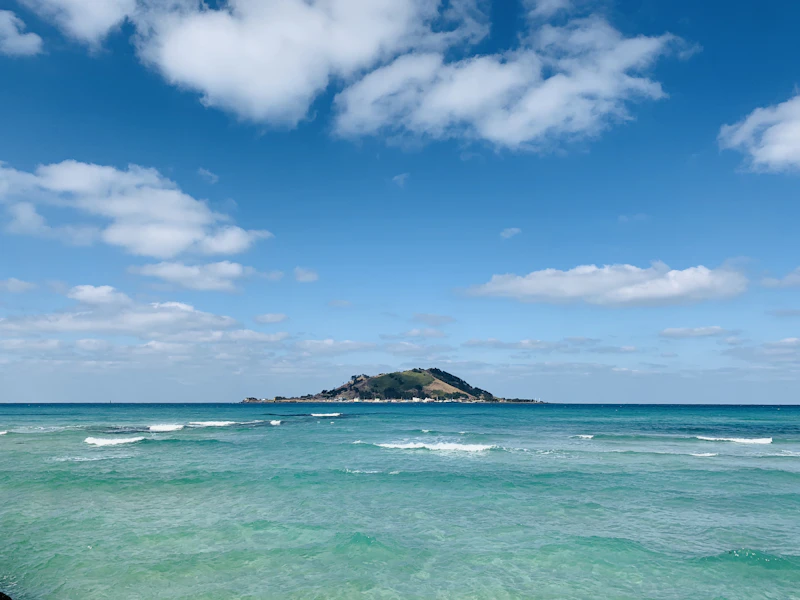
Conceived by native journalist Seo Myung-sook in 2007, the Jeju Olle Trail consists of 27 interconnected walking routes circling the entire perimeter of the island, including off-lying islands like Udo and Gapo-do. Every route is marked with distinctive blue and orange ribbons tied to tree branches, street posts, and stone walls.
If you only have time for a few segments, Consider these standout budget-friendly routes:
- Olle Route 7 (Oedolgae to Gangjeong Port): 17.6 km (5–6 hours). Features cliffside ocean trails, the famous Oedolgae sea stack, and peaceful pine needle paths. Getting There: Take Bus #600 or #611 to the “Oedolgae” (외돌개) stop. Address: 791 Seohong-dong, Seogwipo-si.
- Olle Route 1-1 (Udo Island Loop): 11.3 km (4 hours). While Udo requires a short ferry ride (₩10,500 / ~$7.80 USD round trip from Seongsan Port), walking this island trail offers unmatched views of white coral beaches and emerald waters. Ferry Terminal Address: 1028-37 Seongsan-ri, Seongsan-eup, Seogwipo-si. Operating Hours: Ferries depart every 30 minutes from 07:30 to 17:00 (winter) or 18:30 (summer).
- Olle Route 10 (Hwasun to Moseulpo): 15.6 km (5 hours). Offers dramatic panoramic vistas of Sanbangsan Mountain, Songak-san volcanic crater, and historical wartime ruins along the coastal bluffs. Getting There: Take Bus #202 to “Hwasun Golden Sand Beach” (화순금모래해변) stop.
Exploring Jeju’s “Oreums” (Volcanic Cones)
Jeju is dotted with over 360 *Oreums*—parasitic volcanic cones formed millions of years ago. Most of these sites are entirely free to hike and offer views that rival expensive commercial observatories.
Saebyeol Oreum (새별오름)
Located in western Jeju, Saebyeol Oreum is famous for its steep 30-minute ascent that rewards hikers with expansive views of the western coastline and rolling agricultural plains. In autumn, the entire mountain is carpeted in silvery *Eoksae* (pampas grass).
- Cost: Free
- Operating Hours: Open 24 hours (Best visited at sunset).
- Address: San 59-8 Bongseong-ri, Hallim-eup, Jeju-si (제주시 한림읍 봉성리 산 59-8)
- How to get there by bus: Take Express Bus #151 or #152 from Jeju Central Bus Terminal to “Saebyeol Oreum” stop. Walk 10 minutes along the paved access road.
Geum Oreum (금오름)
Also known as Geum-ak, this accessible volcanic crater features a hollow depression at the top that occasionally fills with water, creating a stunning sky-reflecting crater pond. The hike up a paved pine trail takes roughly 20 to 25 minutes.
- Cost: Free
- Operating Hours: Open 24 hours.
- Address: San 1-1 Geum-ak-ri, Hallim-eup, Jeju-si (제주시 한림읍 금악리 산 1-1)
- How to get there by bus: Take Green Bus #784-1 or #784-2 to “Geum-ak-ri” stop, followed by a 15-minute walk to the trail head entrance.
Gwakji to Hyeopjae: Handam Coastal Trail
If you prefer flat, easy walking, the 1.2-kilometer Handam Coastal Trail snakes directly along the black basalt coastline between Gwakji Beach and Aewol Cafe Street. Waves lap directly against the stone pathways, offering incredible ocean vistas with zero admission fees.
- Cost: Free
- How to get there by bus: Take Bus #202 and disembark at “Handam Dong” (한담동) stop. Walk down the hill toward the ocean.
3. Eating Like a Local: Authentic Jeju Budget Dining
While high-end black pork specialty restaurants near beach resorts frequently charge ₩65,000–₩85,000 (~$48–$63 USD) for a two-person set, savvy budget travelers can dine magnificently on authentic local staples for under ₩12,000 (~$8.90 USD) per meal.
1. Gogi Guksu (Jeju Pork Noodle Soup)
Jeju’s signature comfort food features thick wheat noodles served in a rich, milky broth boiled down from pork bones, topped with tender slices of boiled pork belly (*Domabeok*). It is warm, incredibly filling, and remarkably cheap.
Where to eat: Jamae Guksu (자매국수)
One of the most famous noodle houses on the island, offering hearty bowls of Gogi Guksu alongside *Bibi-guksu* (spicy cold pork noodles).
- Price: ₩10,000 (~$7.40 USD) per bowl.
- Address: 26 Tapdong-ro, Jeju-si (제주시 탑동로 26)
- Operating Hours: 09:00 – 19:40 (Closed Wednesdays. Break time: 14:30 – 16:00).
- Getting There: Take Bus #315 or #325 to “Tapdong Theme Park” stop. Walk 2 minutes.
Budget Alternative: Olimbaedang (올래국수)
A legendary, down-to-earth local joint tucked away in a residential alley serving deep, savory pork noodles.
- Price: ₩10,000 (~$7.40 USD).
- Address: 24 Gwisaek-gil, Jeju-si (제주시 귀아랑길 24)
- Operating Hours: 08:30 – 15:00 (Closed Sundays). Arrive early as queues form by 11:00 AM.
2. Traditional Market Feasts (Dongmun & Seogwipo Olle Markets)
Jeju’s covered traditional markets offer the ultimate budget dining experience. Here, you can sample endless street foods, fresh seafood, and local delicacies for a fraction of restaurant prices.
Dongmun Traditional Market (동문재래시장)
Located in northern Jeju City, this massive market turns into a vibrant night market hub around 18:00 every evening.
- Must-try budget items:
- Black Pork Rolls Wrapped in Kimchi: ₩7,000 (~$5.20 USD)
- Abalone Fried Rice Boxes: ₩8,000 (~$5.90 USD)
- Freshly sliced raw fish (Sashimi / *Hoe*) trays: ₩10,000 – ₩15,000 (~$7.40 – $11.10 USD) per platter.
- Freshly squeezed Hallabong Citrus Juice: ₩4,000 (~$2.95 USD)
- Address: 20 Gwandeok-ro 14-gil, Jeju-si (제주시 관덕로14길 20)
- Operating Hours: Daily Market: 08:00 – 21:00; Night Market Stalls: 18:00 – 24:00.
- Getting There: Take Bus #365, #312, or #325 to “Dongmun Market” stop.
Seogwipo Maeil Olle Market (서귀포매일올레시장)
The budget food capital of the southern coast, famous for *Moddakchigi*—a huge shared platter of tteokbokki, gimbap, kimchi pancakes, and fried dumplings drenched in sweet-spicy sauce.
- Price: ₩10,000 – ₩12,000 (~$7.40 – $8.90 USD) for a platter that easily feeds two people.
- Address: 18 Jungang-ro 62beon-gil, Seogwipo-si (서귀포시 중앙로62번길 18)
- Operating Hours: 07:00 – 21:00 daily.
- Getting There: Take Bus #201 or #181 to “Seogwipo Central Market” stop.
3. “Jeunchik-Jungsik” (Lunch Set Specials)
If you want to taste Jeju’s famous Black Pork without paying full dinner prices, look for restaurants offering *Jeunchik-jungsik* (점심특선)—weekday lunch sets. Places like local neighborhood grills and *Baekban* (home-style meal) diners near business districts offer grilled pork, soybean paste stew (*Doenjang-jjigae*), rice, and 6–8 refillable side dishes (*Banchan*) for ₩11,000 to ₩14,000 (~$8.15 – $10.35 USD) per person between 11:30 AM and 14:00 PM.
4. Best Time to Visit Jeju on a Budget
Timing your trip correctly can slash your accommodation costs by up to 60%. Jeju experiences dramatic seasonal shifts in pricing and crowd levels.
| Season | Months | Budget Rating | Key Highlights & Considerations |
|---|---|---|---|
| Spring (Shoulder) | April – May | Excellent | Cherry blossoms, canola flower fields, mild hiking weather (15°C–22°C). Reasonable guesthouse rates. |
| Summer (Peak) | July – August | Poor (Expensive) | High humidity, heavy rain/typhoons, inflated resort prices, massive domestic crowds during school holidays. |
| Autumn (Shoulder) | Sept – Nov | Best Overall | Crisp clear skies, silver grass on Oreums, perfect walking temperatures. Moderate rates outside Chuseok week. |
| Winter (Off-Peak) | Dec – Feb | Cheapest | Lowest hotel rates of the year, camellia flowers in bloom, snow capped Hallasan views. Strong winds in coastal areas. |
Our Recommendation: Aim for late September through mid-November. You get low humidity, stable sunshine for Olle hiking, brilliant silver grass, and affordable flights/lodging.
5. Daily Budget Breakdown
To help you budget accurately, here is what you can expect to spend per day per person across three different budget tiers on Jeju Island:
| Category | Budget Tier | Mid-Range Tier | Luxury Tier |
|---|---|---|---|
| Accommodation | ₩20,000 – ₩35,000 (~$15 – $26 USD) Guesthouse dorm / Budget Motel |
₩60,000 – ₩110,000 (~$44 – $81 USD) 3-star modern boutique hotel |
₩250,000 – ₩600,000+ (~$185 – $445 USD) 5-star beach resort |
| Meals & Food | ₩20,000 – ₩30,000 (~$15 – $22 USD) Noodle joints, markets, convenience stores |
₩45,000 – ₩70,000 (~$33 – $52 USD) Black pork dinners, fresh seafood cafes |
₩120,000 – ₩250,000 (~$89 – $185 USD) High-end sashimi courses, hotel dining |
| Transportation | ₩4,000 – ₩7,000 (~$3 – $5.20 USD) Public Buses (T-Money) |
₩25,000 – ₩45,000 (~$18.50 – $33 USD) Rental Car + Gas / Occasional Taxis |
₩150,000 – ₩220,000 (~$111 – $163 USD) Private Driver / Taxi Charters |
| Attractions & Activities | ₩0 – ₩5,000 (~$0 – $3.70 USD) Free Oreums, Olle Trails, Public Beaches |
₩15,000 – ₩30,000 (~$11 – $22 USD) Subsidized botanical gardens, museums |
₩70,000 – ₩150,000 (~$52 – $111 USD) Yacht tours, private scubadiving, luxury spas |
| TOTAL DAILY ESTIMATE | ₩44,000 – ₩77,000 (~$33 – $57 USD) |
₩144,000 – ₩255,000 (~$106.50 – $188 USD) |
₩590,000 – ₩1,220,000+ (~$437 – $904 USD) |
6. Insider Expert Tips for Traveling Jeju
After years of exploring Jeju, this guide has accumulated insider secrets that you will rarely find in conventional guidebooks:
- Adopt the “Dual-Hub” Hotel Strategy: Do not book all your nights in Jeju City! Jeju is larger than it looks on a map (roughly 73 km across and 31 km vertically). If you stay in Jeju City the entire time, you will waste 3+ hours a day riding buses back and forth. Split your trip: stay 2 nights in Jeju City (North) to explore the northern coast and east side, then move to Seogwipo City (South) for 2 nights to explore waterfalls and southern Olle trails.
- Top Up T-Money Before Heading to Rural Bus Stops: Bus drivers on Jeju island cannot top up your T-money transit card on the bus. Always keep a balance of at least ₩10,000 (~$7.40 USD) on your card. Top up at convenience stores (CU, GS25, Seven-Eleven) near main city hubs before heading into rural interior areas where convenience stores are sparse.
- Use Luggage Delivery Services for Olle Hiking: If you are moving between hotels while hiking Olle trails, don’t haul your backpack. Local services like ZimCarry or Gabangssog will pick up your bag from your Jeju City hotel at 08:00 AM and deliver it directly to your Seogwipo hotel by 16:00 PM for roughly ₩10,000 – ₩13,000 (~$7.40 – $9.60 USD) per bag.
- Water Refill Stations at Olle Information Booths: Tap water in South Korea is safe, but most locals prefer filtered water. Every official Jeju Olle Tourist Information Center (located at the start/finish of major routes) features free filtered water refill stations, clean public restrooms, and free Wi-Fi. Bring a reusable water bottle to save money and cut plastic waste.
7. Common Mistakes to Avoid
Avoid these costly or frustrating errors when planning your Jeju getaway:
- Mistake 1: Assuming the Seoul “Climate Card” Works in Jeju.
The unlimited transit “Climate Card” recently introduced in Seoul is strictly restricted to the Seoul metropolitan area. It does NOT work on Jeju Island buses. Use standard T-Money, Cashbee, or international contactless transit cards (where accepted). - Mistake 2: Missing the Last Rural Bus.
While major express lines in Jeju City run until 22:30 or 23:00, rural green branch buses (especially those serving interior Oreums and Hallasan trailheads) often cease operations as early as 19:30 or 20:00. Always check the last departure time on KakaoMap before setting off on an afternoon hike. - Mistake 3: Paying Full Price at Seongsan Ilchulbong.
Seongsan Ilchulbong (Sunrise Peak) charges ₩5,000 (~$3.70 USD) to hike up to the main volcanic crater rim. However, if you are on a tight budget or want a less strenuous walk, the entire left-hand coastal trail leading down to the black sand beach and sea-woman (*Haenyeo*) performance bay is 100% free to enter and offers equally spectacular photographs of the cliffs. - Mistake 4: Searching Places in English on Korean Maps.
When using KakaoMap or Naver Map, English translations can sometimes lead to wrong locations due to varying transliterations. If an English search fails, copy and paste the Korean name (*Hangeul*) provided in this guide into the search bar for 100% accuracy.
Editorial Note: This guide was researched and written by the Searching Korea editorial research using official Jeju transit schedules, government tourism data, and verified accommodation listings. All costs and route details reflect accurate conditions for 2025 travel.