Overview of Incheon Chinatown
Located on the western coast of South Korea, Incheon Chinatown is the country’s only officially recognized Chinatown. Established in 1884 following the opening of Incheon Port, this vibrant enclave served as an extraterritorial district for the Qing Dynasty. Over the past century, it has evolved into a unique cultural fusion zone where Chinese traditions, Korean culinary influences, and modern tourism intersect.
For travelers staying in Seoul, a day trip to Incheon Chinatown offers a distinct contrast to the modern skyscrapers of Gangnam or the traditional palaces of Jongno. Visitors can explore preserved colonial architecture, colorful street murals, historical museums, and world-famous Sino-Korean cuisine—most notably, Jajangmyeon (black bean sauce noodles), which was invented right in this district. Situated directly across from Incheon Station, the area is easily accessible, budget-friendly, and ideal for a leisurely one-day excursion.
How to Get to Incheon Chinatown from Seoul
Navigating from Seoul to Incheon Chinatown is straightforward via public transportation. Because the district sits at the end of Seoul Subway Line 1, travelers do not need to book expensive intercity train tickets or tour buses.
1. By Seoul Subway (Line 1)
The most convenient way to reach Incheon Chinatown is via Seoul Subway Line 1, terminating at Incheon Station (Exit 1). The main Chinatown entrance gate (Paifang) is directly across the street from Exit 1.
- From Seoul Station: Board Line 1 heading toward Incheon. The direct local train takes approximately 65 to 70 minutes.
- From Hongdae (Hongik University Area): Take the AREX (Airport Railroad Express) to Digital Media City or Gimpo Airport, transfer to the Suin-Bundang Line or Line 1, and proceed to Incheon Station. Alternatively, take Line 2 to Shindorim Station and transfer to Line 1 toward Incheon. Total travel time is around 75 minutes.
- From Myeongdong: Take Line 4 to Seoul Station, transfer to Line 1 toward Incheon, and ride to the final terminus. Total travel time is approximately 70 minutes.
2. Express Train Options (Dongincheon Express)
To cut down travel time on Line 1, riders can board the Dongincheon Express train from major stations like Yongsan, Yeongdeungpo, or Shindorim. This train skips smaller local stops and ends at Dongincheon Station. From Dongincheon Station, you can either transfer to a local Line 1 train for one stop to Incheon Station or take a quick 5-minute taxi ride costing approximately 4,000 KRW to 5,000 KRW.
3. Transportation Costs & Payment
Using a standard T-money card or international contactless transit card, the one-way fare from central Seoul to Incheon Station ranges between 2,100 KRW and 2,500 KRW. Transfers between subway lines within standard time limits are automatically calculated in the fare system.
Top Attractions to Visit in Incheon Chinatown
While Chinatown itself is relatively compact and easily walkable, it connects seamlessly to neighboring historical and cultural zones. Below are the top highlights to include in your day trip itinerary.
1. Traditional Paifang (Chinatown Entrance Gates)
Your journey begins at the magnificent Chinese decorative gates, known as Paifang. Incheon Chinatown features four distinct gates positioned at major entry points: Chunhwagil, Inhwa-mun, Seonhwa-mun, and Junghwa-mun. Built in classical Chinese architectural styles with intricate dragons and stone lions, these gates mark the official boundaries of the district and serve as popular photography spots.
2. Jajangmyeon Museum
Housed in the historic building that once operated as Gonghwachun—the restaurant credited with inventing modern Korean-style Jajangmyeon—this museum chronicles the origin and social impact of black bean noodles in Korea. Visitors can explore life-sized dioramas, historical artifacts, packaging evolution, and interactive exhibits depicting life in the early 1900s.
- Admission Fee: 1,000 KRW (Adults), 700 KRW (Teens), Free for children under 12.
- Operating Hours: 09:00 – 18:00 (Closed Mondays).
3. Samgukji and Chohanji Mural Streets
Stretching along the upper slopes of Chinatown are two impressive outdoor art galleries. The Samgukji Mural Street spans 150 meters and features 77 tile murals illustrating key episodes from the classic Chinese historical novel, Romance of the Three Kingdoms. Adjacent to it lies the Chohanji Mural Street, which visually recounts the legendary conflicts between the Chu and Han dynasties. Informational plaques along the walls provide context in Korean, English, and Chinese.
4. Songwol-dong Fairy Tale Village
Located immediately adjacent to the northern end of Chinatown, Songwol-dong was transformed from a decaying residential neighborhood into a vibrant, whimsical tourist attraction in 2013. The village features 3D wall paintings, sculptures, and installations inspired by classic fairy tales such as Cinderella, The Wizard of Oz, and Peter Pan. It is a family-friendly area free of entry fees and highly recommended for photography lovers.
5. Jayu Park (Freedom Park)
Positioned on the hill directly behind Chinatown, Jayu Park is Korea’s first Western-style public park, constructed in 1888. The park offers panoramic views of the Incheon Port, the West Sea, and the surrounding city skyline. At the summit stands a large statue of General Douglas MacArthur, commemorating the successful 1950 Incheon Amphibious Landing during the Korean War. The park is especially popular in mid-April for its cherry blossom canopy.
6. Incheon Open Port Historic Area (Gaehang-jang)
Just south of Chinatown lies the Open Port Area, where Western powers and Japan established trade concessions in the late 19th century. The streets here feature remarkably preserved Japanese-style wooden houses, former bank buildings converted into museums, and minimalist coffee shops. Key stops include:
- Incheon Open Port Modern Architecture Museum: Formerly the 18th Bank of Japan; showcases colonial architectural models (Admission: 500 KRW).
- Incheon Open Port Museum: Housed in the former Japanese First Bank building; displays modern tech introduced during the late Joseon era (Admission: 500 KRW).
- Cafe Pot R: A beautifully restored 1880s Japanese wooden merchant house serving traditional red bean shaved ice (Patbingsu) and Castella cake.
Culinary Guide: What to Eat in Incheon Chinatown
No trip to Incheon Chinatown is complete without indulging in its famed Sino-Korean culinary scene. The food served here reflects decades of adaptation, blending Shandong-style Chinese cooking techniques with local Korean preferences.
1. Jajangmyeon (Black Bean Noodles)
Jajangmyeon consists of thick wheat noodles topped with a rich, savory sauce made from sweet bean paste (Chunjang), diced pork, onions, and zucchini. Chinatown offers several distinct varieties:
- Traditional Jajangmyeon: The classic version with dark, savory brown-black sauce (~7,000 KRW – 9,000 KRW).
- White Jajangmyeon (Baek-Jajang): Made without caramel additives, relying on soybean fermentation, chopped vegetables, and minced meat for a lighter, nuttier flavor (~10,000 KRW – 12,000 KRW).
- Uni Jajangmyeon: Features finely ground pork and minced ingredients for a smooth, homogenous sauce (~9,000 KRW – 11,000 KRW).
Recommended Restaurants: Sinseungbanjeom (famous for Uni Jajangmyeon served with a fried egg), Yeonkyung (famous for White Jajangmyeon and terrace views), and Gonghwachun (the modern successor to the historic birthplace).
2. Tangsuyuk (Crispy Sweet and Sour Pork)
A classic side dish consisting of deep-fried, potato-starch-battered pork strips served with a translucent sweet-and-sour fruit glaze. Prices generally range from 18,000 KRW to 28,000 KRW depending on portion size.
3. Iconic Street Snacks
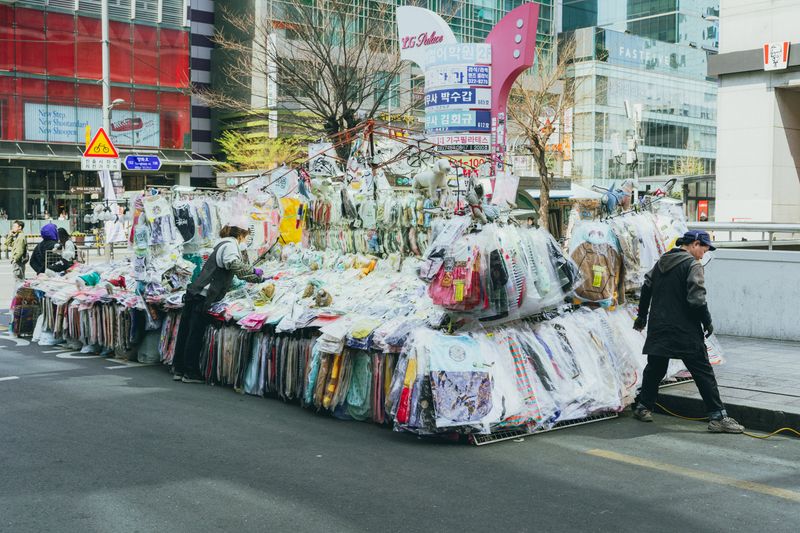
Walking through the central food streets of Chinatown provides opportunities to sample unique snacks sold directly from shopfront stalls:
- Hongdubyeong (Red Bean Pastry Cakes): Soft, wheel-shaped baked pastries filled generously with red bean paste, cream cheese, chocolate, or matcha. (~2,500 KRW per piece).
- Gonggal-ppang (Hollow Bread): A round, puffy biscuit coated with honey and sesame seeds inside. It collapses when crushed, leaving a crispy, sweet shell (~2,000 KRW – 3,000 KRW).
- Taiwanese & Chinese Baked Goods: Pineapple cakes (Feng Li Su), traditional mooncakes, and handmade fortune cookies (~2,000 KRW – 4,000 KRW).
- Lamb Skewers (Yangkochi): Seasoned with cumin and chili flakes, grilled fresh over charcoal (~1,500 KRW – 2,000 KRW per stick).
Suggested 1-Day Itinerary
To maximize your time, follow this optimized sequence designed to minimize backtracking and manage crowds efficiently:
- 09:30 AM – Departure: Board Line 1 from central Seoul to Incheon Station.
- 10:45 AM – Arrival & Main Gate: Exit Incheon Station, cross to the main Paifang gate, and begin walking up Chinatown Main Street.
- 11:15 AM – Early Lunch: Arrive at your chosen restaurant (e.g., Sinseungbanjeom or Yeonkyung) around opening time to avoid peak lunch queues.
- 12:30 PM – Jajangmyeon Museum: Explore the history of the signature dish and colonial trade.
- 01:30 PM – Murals & Fairy Tale Village: Walk through the Samgukji Mural Street and take photos in Songwol-dong Fairy Tale Village.
- 03:00 PM – Jayu Park Walk: Climb the steps behind Chinatown to Jayu Park for coffee, street snacks (Hongdubyeong), and views of the harbor.
- 04:00 PM – Open Port Historical Area: Walk downhill into Gaehang-jang to see restored Japanese heritage buildings and visit modern heritage cafes.
- 06:00 PM – Dinner or Return: Grab street food snacks or light dinner before taking Subway Line 1 back to Seoul.
Estimated Travel Budget
Below is a realistic cost estimate per person for a comprehensive day trip to Incheon Chinatown:
- Roundtrip Subway Fare: 4,500 KRW – 5,000 KRW
- Main Meal (Jajangmyeon + shared Tangsuyuk): 15,000 KRW – 22,000 KRW
- Museum Entrance Fees (Combined): 2,000 KRW – 3,000 KRW
- Street Food & Snacks: 5,000 KRW – 10,000 KRW
- Coffee / Dessert at Historic Cafe: 6,000 KRW – 9,000 KRW
- Total Estimated Cost per Person: 32,500 KRW – 49,000 KRW (Approx. $24 – $37 USD)
Optional Nearby Extension: Wolmido Island
If you finish exploring Chinatown and the Open Port Area early, consider extending your trip to Wolmido Island, located just 10 minutes away by bus or taxi.
How to Get to Wolmido
Board Bus 2, 10, or 45 from the bus stop directly outside Incheon Station. The trip takes roughly 10 to 15 minutes and costs 1,450 KRW with a transit card. A taxi ride costs approximately 5,000 KRW.
What to See in Wolmido
- Wolmi Culture Street: A wide boardwalk along the sea lined with seafood restaurants, cafes, and street performers.
- Wolmi Theme Park: Famous for its intense, high-energy ride operators, including the notorious Disco Pang Pang and the double-decker Viking ship ride.
- Wolmi Sea Train: Korea’s longest urban monorail system, running an 6.1 km loop around Wolmido Island and Incheon Station. A round-trip ticket costs 8,000 KRW for adults.
Essential Practical Tips for Visitors
Keep these logistical and practical considerations in mind to ensure a smooth visit:
- Avoid Mondays for Museum Visits: Most municipal museums in the area—including the Jajangmyeon Museum, Open Port Architecture Museum, and Museum of Modern History—are closed every Monday.
- Arrive Early for Popular Restaurants: Famous eateries like Sinseungbanjeom draw massive lines on weekends. Aim to eat lunch slightly before 11:30 AM or after 2:00 PM to avoid waiting 45+ minutes.
- Carry Cash for Street Food: While restaurants and brick-and-mortar cafes widely accept credit cards, smaller street vendors selling Hongdubyeong, fortune cookies, or lamb skewers prefer cash or local bank transfers.
- Wear Comfortable Walking Shoes: Chinatown, Jayu Park, and Songwol-dong are built on steep hillside terrain. Be prepared for uphill walking and frequent cobblestone stairs.
- Use Naver Map or KakaoMap: Google Maps offers limited pedestrian routing functionality within South Korea. Download Naver Map or KakaoMap prior to your trip for accurate walking directions and bus tracking in English.
- Combine Tickets for Extra Savings: If you plan to visit multiple museums in the Open Port Area, ask the ticket counter for an Integrated Museum Pass, which offers entry to five local museums at a discounted total rate of around 3,400 KRW.