Introduction to Seoul After Dark
When the sun sets over South Korea’s vibrant capital, Seoul undergoes a dramatic transformation. The city’s legendary nighttime economy springs to life, driven by brightly lit alleyways, sizzling street food carts, dynamic shopping districts, and bustling night markets. Known locally for its “24-hour city” ethos, Seoul offers an after-dark cultural experience that seamlessly blends traditional Korean market heritage with cutting-edge culinary trends and late-night retail therapy.
For international travelers, exploring Seoul’s night markets is not merely a dining option—it is a vital gateway into Korean food culture, social customs, and nocturnal energy. From traditional market stalls serving recipes passed down through generations to ultra-modern night markets showcasing gourmet fusion snacks, there is an incredible variety of locations to discover. This comprehensive guide covers the finest night markets and after-dark destinations in Seoul, providing essential practical details, cost estimations in Korean Won (KRW), and expert travel advice to ensure an unforgettable night out.
Top Seoul Night Markets to Explore
1. Gwangjang Market: Seoul’s Historic Culinary Destination
Established in 1905, Gwangjang Market is one of the oldest continuously operating street markets in South Korea. While it operates as a fabric and general goods market during the daytime, the central crossroad transforms into a massive, neon-lit feast for food enthusiasts as afternoon turns into evening. Packed with dozens of traditional stalls (known as pojangmacha style stalls), Gwangjang is world-famous for its raw energy, aromatic smells, and rich authentic recipes.
The market is particularly famous for three main dishes: Bindaetteok (crispy mung bean pancakes ground fresh on stone wheels and fried in oil), Mayak Gimbap (“addictive” mini seaweed rice rolls served with a tangy mustard dipping sauce), and Yukhoe (seasoned raw beef tartare topped with fresh egg yolk and sliced Korean pear). Navigating the narrow aisles under strings of glowing flags while sitting on heated benches alongside locals offers an quintessential Seoul experience.
- Location: 88 Changgyeonggung-ro, Jongno-gu, Seoul
- Nearest Station: Jongno 5-ga Station (Subway Line 1, Exit 7 or 8)
- Operating Hours: Food stalls open daily from 09:00 to 23:00 (Peak night vibe: 18:00–22:00)
- Average Cost: ₩4,000 to ₩15,000 per dish
2. Myeongdong Night Market: The Trendsetting Food Paradise
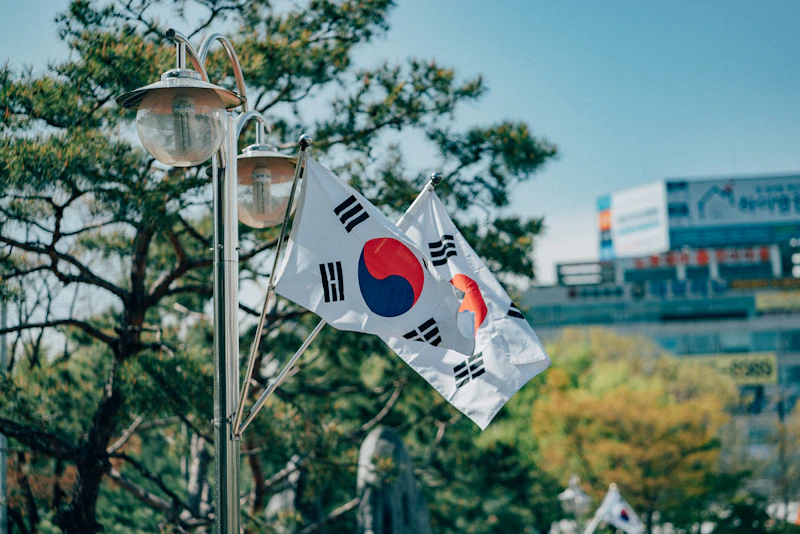
Located in the heart of Seoul’s primary shopping district, the Myeongdong Night Market caters to travelers looking for trendy, inventive, and photogenic street foods. Every late afternoon around 17:00, the main pedestrian streets close to vehicle traffic as dozens of modern food carts wheel into position beneath the massive illuminated neon billboards of global fashion brands.
Unlike traditional markets, Myeongdong specializes in creative culinary innovations alongside Korean classics. Expect to find items such as grilled cheese skewers with condensed milk, flame-torched lobster tails with melted cheese, egg bread (Gyeoran-bbang), spicy rice cakes (Tteokbokki), grilled octopus skewers, fried milk, and sweet Korean pancakes (Hotteok). The street is exceptionally lively, densely packed, and surrounded by late-night cosmetics and apparel shops.
- Location: Myeongdong-gil, Jung-gu, Seoul
- Nearest Station: Myeongdong Station (Subway Line 4, Exit 6) or Euljiro 1-ga Station (Line 2, Exit 5)
- Operating Hours: Daily from 16:30/17:00 to 23:00
- Average Cost: ₩3,000 to ₩18,000 per food item
3. Dongdaemun Night Market & DDP Area
Dongdaemun is famous world-wide as the epicentre of Seoul’s late-night fashion industry, where wholesale clothing malls stay open until 05:00 AM. Adjacent to the futuristic Dongdaemun Design Plaza (DDP), the area comes alive at night with a mixture of yellow-tent street vendors, wholesale markets, and outdoor snack stalls catering to night-shift workers, fashion buyers, and tourists.
Visitors can browse through wholesale multi-story complexes like Doota,apm Place, and Migliore before heading outside to sample Korean street snacks. The night market stalls in Dongdaemun offer exceptional street side staples such as Sundae (blood sausage), fish cakes (Eomuk) served with warm savory broth, deep-fried treats (Twigim), and grilled skewers (Dakkochi).
- Location: Euljiro 6-ga, Jung-gu, Seoul
- Nearest Station: Dongdaemun History & Culture Park Station (Lines 2, 4, and 5, Exit 1 or 14)
- Operating Hours: 20:00 to 03:00 (Schedules vary depending on wholesale schedules and weather)
- Average Cost: ₩3,000 to ₩10,000 per food item
4. Namdaemun Night Market: Traditional Charm & Street Snacks
Namdaemun Market is South Korea’s largest traditional market, with history dating back to the Joseon Dynasty. While the daytime market features over 10,000 vendors selling everything from clothing to kitchenware, the market’s alleyways remain energetic late into the evening. The food stalls near Gate 2 and Gate 5 light up, serving late-night shoppers and workers classic comfort foods.
Namdaemun is world-renowned for its specialized alleys: the Kalguksu Alley (hand-cut noodle soup) and the Galchi Jorim Alley (braised hairtail fish). In the evening street market area, do not miss the vegetable hotteok (savory fried dough stuffed with glass noodles and vegetables) and fresh handmade steamed dumplings (Mandu).
- Location: 21 Namdaemunsijang 4-gil, Jung-gu, Seoul
- Nearest Station: Hoehyeon Station (Subway Line 4, Exit 5)
- Operating Hours: Night stalls operate from 19:00 to 02:00 (Main market shops close earlier around 22:00)
- Average Cost: ₩2,000 to ₩12,000 per dish
5. Hongdae Night Market & Youth Street Food Zone
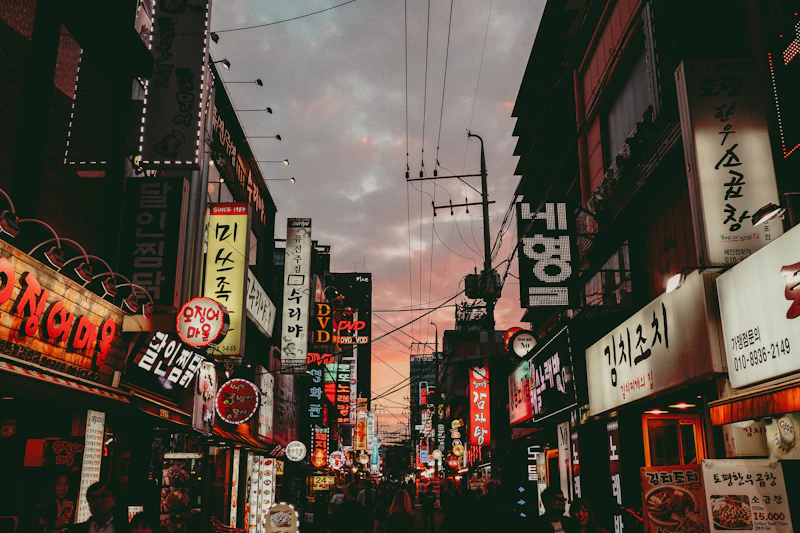
Surrounding Hongik University, the Hongdae district is the epicenter of Seoul’s youth culture, indie music, and nightlife. While not a singular traditional market enclosed under one roof, the main pedestrian walking street (Hongdae Culture Street) functions as a dynamic outdoor night market. The avenues are lined with food carts, outdoor clothing pop-ups, dessert shops, and street performers (buskers).
The culinary offerings here reflect youthful, fast-paced tastes. Popular options include chicken skewers drizzled with spicy sauces, oversized waffle ice cream cones, croffles (croissant waffles), tornado potatoes, and Korean fried chicken cups. The atmosphere is energetic, noisy, and ideal for travelers looking to enjoy late-night eats alongside music performances and indie shopping.
- Location: Eoulmadang-ro, Mapo-gu, Seoul
- Nearest Station: Hongik University Station (Subway Line 2, Airport Railroad, Exit 8 or 9)
- Operating Hours: 17:00 to 01:00 (Nightlife and bars operate until dawn)
- Average Cost: ₩3,000 to ₩10,000 per item
6. Seoul Bamdokkaebi Night Market (Seasonal)
The Seoul Bamdokkaebi Night Market (also known as the Hangang River Night Market) is a government-organized seasonal event held usually from late spring through autumn (typically April to October). Set against scenic backdrops like Yeouido Hangang Park and Banpo Hangang Park, this market features organized rows of colorful food trucks, artisan handicraft stalls, and live musical performances along the water.
Food choices at Bamdokkaebi are highly diverse, ranging from international dishes like steak boxes, cuban sandwiches, and pad thai to modern Korean fusion snacks. Dining on the grass beside the Hangang River while watching the glittering lights of the city skyline makes this one of Seoul’s top seasonal night activities.
- Location: Yeouido Hangang Park & Banpo Hangang Park (Locations can rotate annually)
- Nearest Station: Yeouinaru Station (Line 5, Exit 2) for Yeouido; Express Bus Terminal (Lines 3, 7, 9) for Banpo
- Operating Hours: Friday & Saturday evenings from 17:00 to 22:00 (Seasonal: April–October only)
- Average Cost: ₩5,000 to ₩15,000 per dish
7. Noryangjin Fisheries Wholesale Market: 24/7 Seafood Experience
For adventurous seafood lovers, Noryangjin Fisheries Wholesale Market offers a unique 24-hour night market experience. As one of Korea’s largest seafood markets, Noryangjin features hundreds of stalls selling fresh crab, lobster, abalone, sea squirts, octopus, and fresh fish. The market operates around the clock, with the dynamic wholesale auctions occurring in the early hours of the morning (around 01:00 to 03:00 AM).
Visitors can walk through the modern, multi-story market floor, choose live seafood directly from vendors, and take their purchase upstairs to second-floor restaurants where chefs prepare the seafood to order (steamed, grilled, or raw as Hoe) for a small service fee.
- Location: 674 Nodeul-ro, Dongjak-gu, Seoul
- Nearest Station: Noryangjin Station (Subway Line 1 and Line 9, Exit 7 or 9)
- Operating Hours: Open 24/7 (Restaurants open late into the night)
- Average Cost: ₩20,000 to ₩70,000+ per person (depending on seafood selected)
Essential Korean Street Food Price Guide
To help you budget your night market adventures, here is a general price guide for iconic Korean street foods found throughout Seoul’s markets (prices in Korean Won, KRW):
- Tteokbokki (Spicy Rice Cakes): ₩3,000 – ₩5,000 per portion
- Eomuk / Odeng (Fish Cake Skewers with Soup): ₩1,000 – ₩2,000 per skewer
- Bindaetteok (Mung Bean Pancake): ₩5,000 – ₩8,000 per pancake
- Mayak Gimbap (Mini Rice Rolls): ₩3,000 – ₩4,000 per plate
- Gyeoran-bbang (Egg Bread): ₩2,000 – ₩3,000 per piece
- Hotteok (Sweet Cinnamon Pancake): ₩1,500 – ₩3,000 per piece
- Dakkochi (Grilled Chicken Skewers): ₩3,500 – ₩5,000 per skewer
- Sundae (Korean Blood Sausage): ₩4,000 – ₩6,000 per portion
- Gourmet / Premium Seafood Skewers (Lobster, Cheese Scallops): ₩12,000 – ₩20,000 per portion
- Korean Draft Beer / Soju (at market stalls): ₩4,000 – ₩5,000 per bottle
Culture and Atmosphere: Pojangmacha Experience
To fully experience Seoul after dark, travelers should look out for authentic Pojangmacha. These are traditional street-side tent restaurants wrapped in bright orange or clear plastic tarps. Inside, small plastic tables and stools surround a small mobile kitchen operated by a vendor (often affectionately referred to as Ajumma or auntie).
Pojangmacha serve as late-night sanctuaries for social drinking and comforting pub snacks (Anju). Common menu highlights include grilled hagfish, stir-fried chicken gizzards (Dakg똥집), savory Kimchi pancakes, and steaming bowls of udon noodles. Enjoying a cold local beer or a bottle of Korean Soju under a Pojangmacha tent on a cool night is one of the most classic nightlife rituals in South Korea. Popular areas for Pojangmacha clusters include Jongno 3-ga, Euljiro 3-ga, and Yeochon Station area.
Practical Tips for Visiting Seoul Night Markets
Planning ahead will ensure a seamless and enjoyable market experience. Keep the following operational and cultural tips in mind before setting off on your late-night food tour:
1. Payment Methods (Cash vs. Card)
While South Korea is largely a cashless society where credit cards are accepted almost everywhere, small street food vendors and traditional market stalls often prefer cash or local bank transfers.
- Carry Physical Cash: Keep ₩20,000 to ₩50,000 in small bills (₩1,000 and ₩5,000 banknotes) for street food stalls.
- Cards & T-Money: Modern seasonal markets (like Bamdokkaebi) and permanent shop establishments accept international credit cards (Visa/Mastercard) and T-Money transportation cards without issue.
- WOWPASS: Prepaid travel cards like WOWPASS work seamlessly at card-accepting vendors throughout Seoul.
2. Transportation Options After Midnight
Seoul’s public transportation network is fast, clean, and reliable, but standard subway services end their operational loops between 23:30 and 24:00 (midnight).
- Subway Cut-off: Plan your movement so you don’t miss the last train around 23:30.
- Night Buses (N-Bus): Seoul operates dedicated late-night bus routes marked with an “N” before the route number (e.g., N13, N26, N37). These run from 23:30 to 06:00 AM and cover major hubs like Myeongdong, Hongdae, Dongdaemun, and Gangnam. Transit fare can be paid using your T-Money card.
- Taxis and Ride-Hailing: Standard orange, silver, or black taxis are abundant. Download the Kakao T app beforehand to hail taxis easily, as street-flagging late at night in crowded areas like Hongdae or Myeongdong can be challenging. A late-night surcharge (20% to 40%) applies between 22:00 and 04:00.
3. Dining Etiquette and Hygiene
- Trash Disposal: Public trash cans are rare on Korean streets. Most street food stalls will have a small plastic basket attached to their cart where you can deposit skewers, cups, or napkins provided by that specific vendor. If you walk away while eating, you may need to carry your trash until you find a subway station or convenience store.
- Seating Etiquette: At busy markets like Gwangjang, seating space at food counters is limited. Avoid occupying bench space if you are not ordering food from that specific stall. Once finished eating, it is customary to yield your seat promptly to waiting customers.
- Free Broth: If you buy fish cakes (Eomuk) or tteokbokki, you are generally welcome to help yourself to free warm fish cake broth served in small paper cups nearby.
4. Language and Navigation
- Navigation Apps: Google Maps has limited functionality for pedestrian navigation in South Korea due to local mapping regulations. Download Naver Map or KakaoMap for accurate walking directions, market boundaries, and real-time public transit tracking.
- Language Tips: Most vendors in major night markets know basic English phrases and key market terms. Pointing politely and using basic Korean phrases goes a long way:
- “I-geo ju-se-yo” = Please give me this.
- “Eol-ma-ye-yo?” = How much is it?
- “Kam-sa-ham-ni-da” = Thank you.
5. Best Days and Seasonal Timing
Night markets operate throughout the year, but spring (April to June) and autumn (September to November) offer the most pleasant weather for outdoor eating. If visiting during winter, traditional covered markets like Gwangjang feature heated benches and warm vinyl tent covers, while street markets like Myeongdong remain outdoor—dress in warm layers accordingly.