
Quick Summary: Korea Trip Essentials
- Estimated Daily Budget: Budget: ₩60,000–₩90,000 (~$44–$67 USD) | Mid-Range: ₩160,000–₩270,000 (~$118–$200 USD) | Luxury: ₩450,000+ (~$333+ USD)
- Best Time to Visit: Autumn (September to November) and Spring (April to May)
- Recommended Trip Duration: 7 to 14 days
- Travel Difficulty: Easy (Excellent public transport, high English signage in major cities, low crime)
After calling Seoul home for over a decade and guiding hundreds of first-time visitors through the bustling alleys of Myeongdong, the tranquil temples of Gyeongju, and the volcanic trails of Jeju Island, this guide has learned one undeniable truth: packing for South Korea requires a distinct strategy. Korea is a country of intense seasonal contrasts, unique technological infrastructure, and specific social etiquette that directly impacts what should go into your suitcase.
Whether you are visiting for the crisp autumn foliage, the winter ski slopes of Gangwon-do, or the summer street food nights in Busan, this definitive packing guide covers every essential detail. We will help you navigate Korea’s unique digital eco-system, select season-appropriate apparel, avoid common rookie mistakes, and ensure you land at Incheon International Airport completely prepared.
1. Essential Travel Documents, Apps & Connectivity Tech
Before packing your clothes, securing your entry documentation and digital tools is critical. South Korea operates on an ultra-connected digital infrastructure, but it uses localized apps rather than global standard applications.
Required Identification & Financial Cards
- Valid Passport: Must have at least 6 months of validity remaining from your planned date of departure.
- K-ETA or Tourist Visa: Check entry requirements for your nationality. While travelers from 22 countries (including the US, UK, Canada, Australia, and EU nations) are temporarily exempt from the K-ETA requirement through December 31, 2025, applying for one (₩10,000 / ~$7.40 USD) skips the manual arrival card submission at immigration.
- Primary & Backup Credit/Debit Cards: Visa and Mastercard are accepted almost universally in Korea. Ensure you notify your bank of international travel. American Express is accepted in major hotels and department stores, but frequently declined at local restaurants.
- Physical Cash (KRW): While South Korea is largely a cashless society, cash remains non-negotiable for reloading public transit cards (T-Money/Climate Card) and buying street food at markets like Gwangjang Market. Consider carrying ₩100,000 to ₩200,000 (~$74 to $148 USD) in physical bills.
Connectivity Essentials (eSIM vs. Pocket Wi-Fi)
staying connected from the minute you touch down at Incheon International Airport (ICN) is crucial for navigating public transit. You have two main options:
| Option | Best For | Approximate Cost | Where to Pick Up / Activate |
|---|---|---|---|
| eSIM (KT / SK Telecom) | Solo travelers, unlocked smartphones | ₩38,500 / ~$28.50 USD (30 Days Unlimited) | Instant digital activation online prior to flight arrival |
| Physical SIM Card | Travelers with older unlocked phones | ₩38,500 / ~$28.50 USD (30 Days Data + T-Money combo) | Incheon Airport T1 Arrivals Hall (1st Floor, Gates 6-7 & 10-11, 24 Hours) |
| Pocket Wi-Fi Router | Families, small groups sharing data | ₩3,300–₩4,400 per day (~$2.40–$3.25 USD/day) | Incheon Airport T2 Arrivals Hall (1st Floor, Gate 2-3, Open 24 Hours) |
The Apps You MUST Download Before You Arrive
Due to national security map data laws, Google Maps does not provide accurate walking or transit navigation in South Korea. this guide strongly advises installing and setting up the following apps on your phone before departing:
- Naver Map or KakaoMap: Essential for turn-by-turn walking instructions, subway routes, bus schedules, and opening hours. Naver Map features full English support.
- Papago: Powered by Naver, this is the gold standard for English-to-Korean translation. Its image translation tool works exceptionally well for reading restaurant menus and product labels at convenience stores.
- Kakao T: Korea’s native taxi-hailing platform. You can link your credit card or select “pay driver directly” with cash/card at the end of your trip.
- Subway Korea: An interactive, real-time subway map app for Seoul, Busan, Daegu, Gwangju, and Daejeon.
2. Electronics & Electrical Adapters
South Korea uses a different electrical standard than North America, the UK, and parts of Australasia. Bringing the wrong power gear can cause inconvenience or damage your electronics.
Power Outlet Specifications
Voltage: 220V, 60Hz
Plug Types: Type C and Type F (Two round pins)
- Dual Plugs / Multi-Country Adapters: Ensure your adapter supports Type F plugs with grounded pins. If your devices support dual voltage (100V–240V, which includes most modern laptops, smartphones, and camera battery chargers), you only need a simple plug adapter.
- Voltage Converter (If needed): Hair dryers, curling irons, or clippers brought from North America (110V) will overheat or short-circuit unless they are dual-voltage rated. Consider leaving hair dryers home; almost every hotel and Airbnb in Korea provides one.
- High-Capacity Power Bank (10,000mAh – 20,000mAh): Because you will rely heavily on phone navigation, Papago translation, and camera apps throughout the day, a portable battery is essential. Note: Power banks must be carried in your overhead hand luggage, never in checked baggage, per international flight safety regulations.
3. Seasonal Clothing & Footwear Strategy
Seoul experiences four distinct seasons, including harsh Siberian winters and extremely humid monsoon summers. Choosing your wardrobe requires careful attention to the calendar.
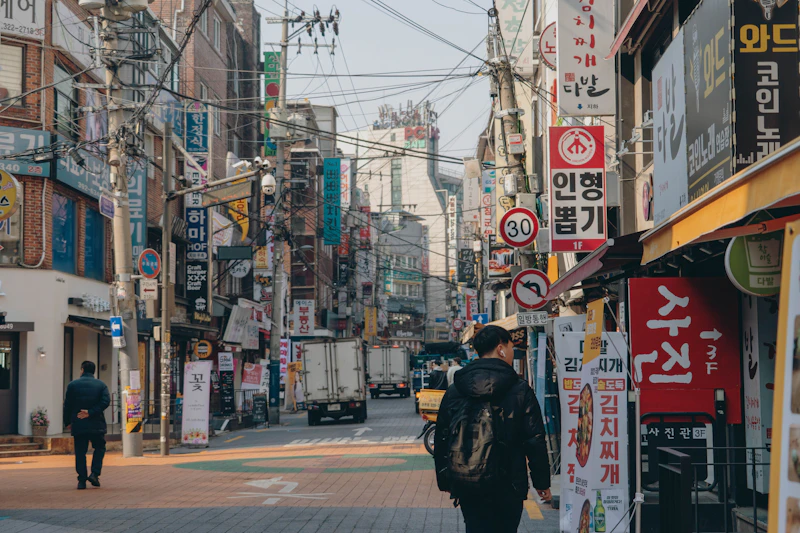
Spring (March to May)
Spring offers crisp morning air, blooming cherry blossoms, and mild afternoons. Temperatures range from 8°C to 22°C (46°F to 71°F).
- Layering Tops: Long-sleeve shirts, light knit sweaters, cardigan jackets.
- Outerwear: Trench coats, denim jackets, or light down vests for chilly evenings.
- Pollution Protection: Pack high-grade KF94 masks (or buy them locally for ₩3,000 / ~$2.20 USD per 5-pack at any convenience store) to protect against spring fine dust (*Hwang-sa*).
Summer (June to August)
Summer brings extreme humidity and the annual monsoon period (*Jangma*), which typically spans late June through July. Temperatures average 24°C to 35°C (75°F to 95°F) with high humidity.
- Breathable Fabrics: Linen, light cotton, and sweat-wicking synthetic performance gear.
- Rain Gear: Compact, heavy-duty UV umbrella and light rain jacket. Fast-drying shorts and dresses.
- Anti-Chafing Wear: Body glide or shorts under skirts are invaluable during long walks in Seoul’s damp summer air.
Autumn (September to November)
Widely considered the best time to visit South Korea. Expect clear blue skies, vibrant autumn colors, and pleasant daytime weather ranging from 10°C to 22°C (50°F to 72°F).
- Versatile Layers: Flannel shirts, mid-weight sweaters, hoodies, and long pants.
- Light Outer Layer: Leather jacket, fleece jacket, or light wool coat for late October and November nights.
Winter (December to February)
Korean winters are dry, windy, and bitterly cold due to Arctic air masses. Temperatures drop between -15°C and 5°C (5°F to 41°F).
- Thermal Undergarments: Thermal tops and leggings (such as Uniqlo Heattech).
- Heavy Down Coat: The iconic Korean “long padding” (an ankle-length down coat) is functional gear, not just a fashion choice.
- Winter Accessories: Fleece-lined beanies, insulated touch-screen gloves, thick wool socks, and neck warmers.
Footwear Etiquette & Walking Realities
A typical sightseeing day in Seoul or Busan involves 12,000 to 20,000 steps, often on steep hills, stairs inside transit stations, and cobbled street passages.
- Slip-On Walking Shoes: In Korean culture, you must remove your shoes when entering homes, Hanok stays, traditional tea houses, and sitting-floor dining establishments. Bring comfortable, supportive sneakers that slip on and off easily.
- Clean, High-Quality Socks: Because your shoes will come off in social environments, pack plenty of clean, hole-free socks. Low-cut invisible socks are completely acceptable.
4. Toiletries, Health & Skincare Strategy
One of the biggest packing mistakes first-time travelers make is overpacking personal care items. South Korea is the world capital of skincare and cosmetics; high-quality bath products are affordable and accessible nationwide.
What to Bring from Home
- Prescription Medications: Keep all prescription drugs in their original pharmacy containers clearly displaying your name. Carry a doctor’s note for controlled substances.
- Deodorant: While major cosmetics stores carry deodorant, choices are limited and expensive compared to Western countries. Bring your preferred brand.
- Toothpaste & Personal Hygiene Supplies: Korean accommodations provide body wash and shampoo, but toothbrushes and toothpaste are often omitted at hotels due to eco-friendly single-use plastic reduction laws.
What to Buy Upon Arrival (Travel Light!)
Instead of filling your luggage with skincare and toiletries, plan to shop at local retail chains. You will find higher quality products at lower prices.
Store Spotlight: Olive Young Myeongdong Town Flagship
Address: 53 Myeongdong-gil, Jung-gu, Seoul (서울특별시 중구 명동길 53)
Transit Access: Line 4 Myeongdong Station, Exit 6 (5-minute walk) or Line 2 Euljiro 1-ga Station, Exit 6
Operating Hours: 10:00 AM – 10:30 PM Daily
Tax-Refund Info: Bring your physical passport. Immediate tax deductions are applied at checkout for purchases over ₩15,000 (~$11 USD).
- Sunscreen: Korean sunscreens (e.g., Round Lab Birch Juice, Beauty of Joseon) are light, non-greasy, and affordably priced around ₩15,000 to ₩20,000 (~$11 to $15 USD).
- Hydrating Face Masks: Perfect for restoring dry skin after long international flights (₩1,000 to ₩3,000 / ~$0.75 to $2.20 USD each).
5. Luggage, Daypacks & Packing Accessories
- Durable Spinner Suitcase: Seoul’s subway stations feature multi-flight staircases. A sturdy, light 4-wheel spinner bag makes navigation far easier.
- Lightweight Daypack or Crossbody Bag: Pickpockets are virtually non-existent in South Korea, but a secure, comfortable bag with a zip closure is ideal for carrying your daily power bank, water bottle, and rain gear.
- Reusable Shopping Bag: Korean supermarkets and convenience stores charge ₩100 to ₩500 (~$0.07 to $0.37 USD) for plastic or paper bags. Carrying a compact foldable nylon bag is environmentally friendly and economical.
6. Complete South Korea Packing Checklist
Use this convenient checklist to verify your bags before heading to the airport.
| Category | Item Name | Notes & Quantity |
|---|---|---|
| Documents | Passport & K-ETA approval printout | Valid 6+ months; physical document copy recommended |
| Documents | Credit/Debit cards & KRW Cash | At least 2 separate cards; ₩100,000 cash for transit |
| Electronics | Type C/F Power Adapters | 2x adapters with grounded pin configuration |
| Electronics | Portable Power Bank | 10,000mAh+ (must be packed in carry-on bag) |
| Clothing | Slip-on Walking Shoes | 1 pair ultra-comfortable, easy to slide on/off |
| Clothing | High-quality socks | 5-7 pairs of presentable, clean socks |
| Clothing | Seasonal outerwear & thermal layers | Long padding down coat (Winter) or Light Shell (Spring/Fall) |
| Toiletries | Deodorant & Prescription Meds | Harder to locate abroad; bring full supplies |
| Gear | Compact Travel Umbrella | Sturdy wind-resistant UV protection umbrella |
7. South Korea Travel Budget Breakdown
To assist your trip planning, this guide calculated the average daily expenses for traveling in South Korea across three tier levels. Costs reflect spending per person per day.
| Expense Category | Budget Tier | Mid-Range Tier | Luxury Tier |
|---|---|---|---|
| Accommodation | ₩30,000–₩50,000 (~$22–$37 USD) Hostel / Guesthouse |
₩90,000–₩160,000 (~$67–$118 USD) 3-Star Hotel / Business Hotel |
₩350,000–₩700,000+ (~$259–$518+ USD) 5-Star Luxury Resort |
| Meals & Dining | ₩20,000–₩30,000 (~$15–$22 USD) Convenience stores, markets |
₩50,000–₩80,000 (~$37–$59 USD) K-BBQ, modern cafes, bistros |
₩150,000–₩300,000+ (~$111–$222+ USD) Fine dining, Michelin dining |
| Public Transit | ₩5,000–₩8,000 (~$3.70–$5.90 USD) Subway & City Bus |
₩12,000–₩25,000 (~$8.80–$18.50 USD) Subway + 1-2 Taxi rides |
₩50,000–₩100,000 (~$37–$74 USD) Private driver / frequent Taxis |
| Sightseeing & Activities | ₩5,000–₩10,000 (~$3.70–$7.40 USD) Palace tickets, free parks |
₩15,000–₩35,000 (~$11–$26 USD) Museums, Hanbok rentals, decks |
₩60,000–₩150,000+ (~$44–$111+ USD) Private guided tours, spas |
| Total Estimated Daily Spend | ₩60,000–₩98,000 (~$44–$72 USD) |
₩167,000–₩300,000 (~$123–$222 USD) |
₩610,000–₩1,250,000+ (~$451–$925+ USD) |
8. Best Time to Visit South Korea
Choosing when to travel is just as important as what you pack. Here is a seasonal breakdown to help you pick your ideal departure window:
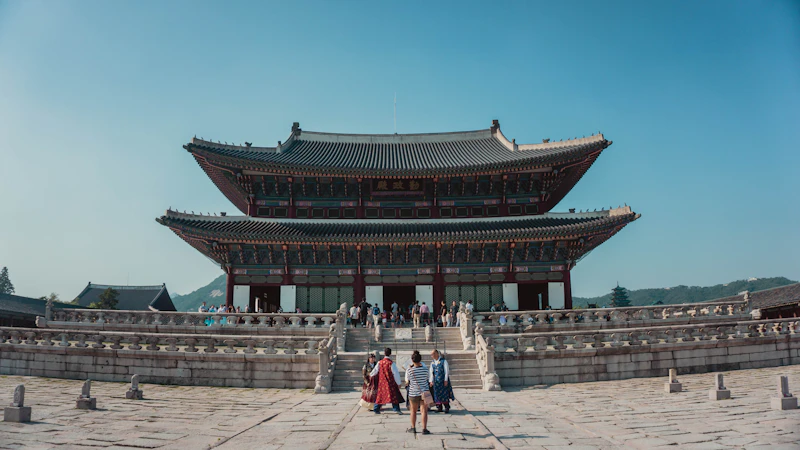
September to November (Autumn) — Absolute Best Time
autumn is the single best period to travel across Korea. Skies are crisp and clear, temperatures remain moderate (10°C to 20°C / 50°F to 68°F), and rainfall is minimal. Fall foliage peaks in late October across Seoraksan National Park and early November in Seoul.
April to May (Spring) — Best for Blossoms
Spring delivers mild temperatures and vibrant flowers. Cherry blossom season peaks between late March (Jeju/Busan) and early April (Seoul). Be aware that fine dust storms (*Hwang-sa*) blow in from Central Asia during this period, requiring mask usage on clear days.
December to February (Winter) — Best for Budget Travel & Snowsports
Winter brings cheap flight deals, smaller crowds at historic sites, and ideal skiing conditions in Gangwon-do (host region of the 2018 Winter Olympics). However, temperatures regularly stay below freezing. Pack serious insulated outerwear.
June to August (Summer) — Most Challenging Season
Unless you are visiting for beach festivals in Busan or night events, summer can be difficult for heavy sightseeing. Monsoon rains (*Jangma*) hit in July, bringing intense localized downpours, while August suffers from stifling humidity and heat waves.
9. Expert Tips for Packing & Traveling in Korea
Here are insider tips from our established research process. You can purchase luggage tags, heat packs, umbrella covers, and power conversion adapters for ₩1,000 to ₩5,000 (~$0.75 to $3.70 USD).
Flagship Location: Daiso Myeongdong Station Branch (8 floors of shopping)
Address: 134-1 Toegye-ro, Jung-gu, Seoul (서울특별시 중구 퇴계로 134-1)
Transit: Line 4 Myeongdong Station, Exit 2 (10 meters from exit)
Hours: 10:00 AM – 10:00 PM Daily
Seoul Station Location: Located on Line 1/Line 4 concourse level near Exit 1.
Cost: Small lockers start at ₩4,000 (~$2.95 USD) for 4 hours; large luggage lockers run ₩8,000–₩12,000 (~$5.90–$8.80 USD) per day. Payment accepted via credit card or T-Money.
10. Common Packing Mistakes to Avoid
- Overpacking Heavy Toiletries: Korea’s personal care and beauty ecosystem is world-class. Save suitcase space and weight by buying body wash, shampoo, lotion, and sunscreens locally upon arrival.
- Relying on Google Maps: Google Maps does not function properly for walking directions or real-time transit routes in South Korea due to local mapping regulations. Download Naver Map before leaving home.
- Forgetting Physical Cash for Public Transit: Korea’s public transit payment cards (T-Money and Climate Card) can only be loaded using physical Korean currency at station kiosks and convenience stores. Credit cards are not accepted for card reloads.
- Packing Difficult Shoes: Wearing lace-up boots that require three minutes to unlace will slow you down at traditional restaurants, tea houses, and cultural sites. Bring supportive, stylish slip-on footwear.
- Packing Power Banks in Checked Baggage: Airline security checks at Incheon and global airports will flag and remove lithium battery packs left inside checked suitcases. Always keep power banks in your carry-on luggage.
About This Guide
This packing guide was curated by the Searching Korea editorial research process, drawing on verified sources including official tourism data, transportation guides, and published travel regulations. Our recommendations reflect current local prices, transport updates, and logistics for 2025. verify location details, transit routes, and store operating hours to ensure your journey to South Korea is seamless from arrival to departure.