
Introduction to Budget Dining in South Korea
South Korea is renowned worldwide for its dynamic culinary scene, ranging from high-end Korean barbecue restaurants to Michelin-starred dining in Seoul. However, traveling through the country does not require a massive food budget. In fact, some of the most authentic, comforting, and delicious meals enjoyed daily by Korean students, office workers, and families cost less than a cup of specialty coffee.
To truly eat like a local while keeping your travel expenses low, you need to master two essential pillars of Korean everyday dining: Pyeon-ui-jeom (Convenience Stores) and Bunsik (Traditional Snack Bars). Far from being cheap compromises, these dining avenues represent core elements of modern South Korean food culture. This comprehensive guide details everything you need to know to navigate Korean convenience stores and street-level snack spots, complete with menu recommendations, cost breakdowns, ordering etiquette, and insider hacks.
Part 1: The South Korean Convenience Store Revolution (Pyeon-ui-jeom)
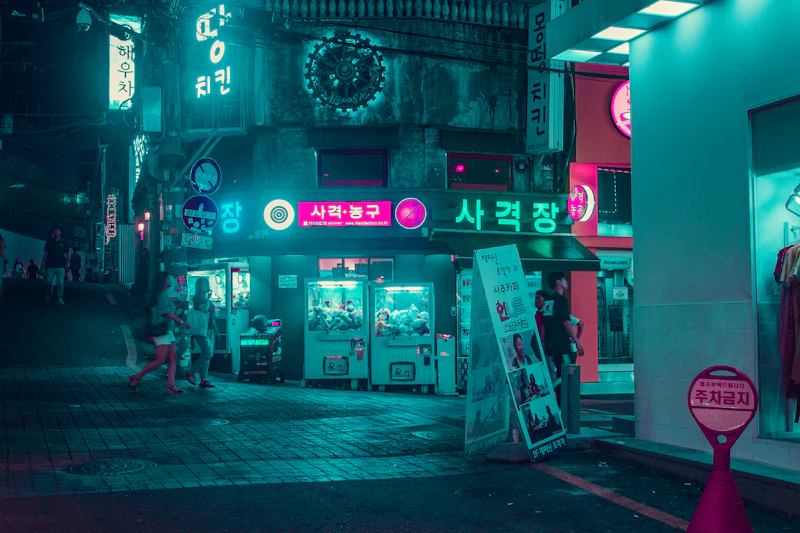
In South Korea, convenience stores are not merely quick stops for fuel or emergency supplies; they are fully equipped, high-tech dining hubs. Operating 24 hours a day, convenience stores offer hot water stations, microwaves, seating areas, and an astonishing variety of freshly prepared foods made daily.
The Big Four Chains
You will find a convenience store on almost every street corner in South Korean cities. The market is dominated by four main brand chains:
- CU: The largest chain in South Korea, known for innovative private-label food releases, dessert collaborations, and high-quality lunch boxes.
- GS25: Famous for exceptional ready-to-eat meals, chef-curated bento boxes, and popular snack lines.
- Seven-Eleven: Offers unique seasonal items, great instant noodle selections, and excellent bakery goods.
- Emart24: Focuses on a modern, cafe-style atmosphere with premium meal options and craft beverages.
Must-Try Convenience Store Foods and Price Guide
Here are the top budget-friendly food categories available at every major convenience store chain across the country:
1. Dosirak (Pre-packaged Bento Boxes)
Price Range: ₩4,500 – ₩6,500 (approx. $3.30 – $4.80 USD)
Dosirak are balanced, complete meals served in multi-compartment trays. A standard convenience store dosirak includes a generous portion of white or mixed rice accompanied by main proteins such as sliced spicy pork (Jeyuk Bokkeum), soy-marinated beef (Bulgogi), fried chicken, or pork cutlet (Donkasu). Side dishes (banchan) typically include stir-fried kimchi, rolled omelet bites, fish cakes, and seasoned vegetables. They are restocked daily and offer nutritious, hot meals at a fraction of restaurant prices.
2. Samgak Kimbap (Triangle Rice Balls)
Price Range: ₩1,200 – ₩1,800 (approx. $0.90 – $1.35 USD)
Samgak Kimbap consists of seasoned rice wrapped around a savory center filling, encased in crispy roasted seaweed (nori). The inner plastic packaging keeps the seaweed dry and crispy until opened. Popular filling flavors include:
- Jeonju Bibimbap: Spicy seasoned rice filled with minced beef and vegetables.
- Tuna Mayonnaise (Chamchi Mayo): Savory tuna salad blended with sweet Korean mayonnaise.
- Spicy Pork (Spicy Jeyuk): Tender pork marinaded in gochujang sauce.
- Spicy Chicken (Buldak): Fiery chicken filling for travelers who enjoy intense spice.
3. Roll Kimbap (Pre-sliced Seaweed Rolls)
Price Range: ₩2,500 – ₩3,500 (approx. $1.85 – $2.60 USD)
Similar to traditional restaurant kimbap, these packaged rolls come pre-sliced into bite-sized pieces. They are packed with rice, pickled radish, sausages, tuna, or cheese, wrapped neatly in seaweed. They require no heating and serve as an ideal on-the-go meal during sightseeing trips.
4. Instant Noodle (Ramyeon) Culture and “Hacks”
Price Range: ₩1,100 – ₩2,500 (approx. $0.80 – $1.85 USD)
The ramyeon aisle in a Korean convenience store features dozens of regional and national soup varieties, ranging from mild savory broths to intensely spicy chicken noodles. Stores provide electric hot-water dispensers, allowing customers to cook cup noodles directly on site.
Locals frequently create customized food combinations known as “convenience store hacks.” One famous combination is the Mark Meal: combining spicy rice cakes (Tteokbokki), a pouch of instant ramyeon, a string cheese stick, and a smoked sausage from the hot-food display. You heat the ingredients together in the store’s microwave to create a rich, cheesy pasta bowl for around ₩6,000.
5. Pouch Drinks and Ice Cups
Price Range: ₩1,200 – ₩2,500 (approx. $0.90 – $1.85 USD)
A staple of Korean summer culture, convenience stores sell plastic cups filled with crushed ice alongside sealed liquid pouches. Pouches come in dozens of beverage choices, including iced Americano, hazelnut coffee, green tea, peach iced tea, and ade drinks. You simply buy an ice cup (₩700 – ₩1,000) and your chosen drink pouch (₩800 – ₩1,500), pour, and enjoy.
Convenience Store Etiquette and Facilities
Eating inside a convenience store is convenient, but following basic local norms keeps the experience pleasant for everyone:
- Cooking Equipment: Hot water dispensers, microwave ovens, and chopstick dispensers are located near the dining counter. Press the microwave button corresponding to the duration listed on the food item’s packaging (usually 30 to 90 seconds).
- Trash Sorting: Waste separation is strictly enforced in South Korea. Near the exit or eating station, you will find separate bins for food waste (unconsumed broth or leftovers), plastic packaging, paper, cans, and general garbage. Be sure to empty remaining liquid into the dedicated liquid bucket before throwing cup containers away.
- Seating Etiquette: Store counters are meant for quick meals. Clean up your table space with a tissue after finishing your food.
Part 2: Mastering Bunsik Culture (Korean Snack Bars)
While convenience stores handle modern quick meals, Bunsik represents Korea’s classic comfort food culture. Historically, the word “Bunsik” referred to foods made from flour or starch, but today it encompasses casual, highly affordable diners serving fast, freshly prepared Korean dishes.
Where to Find Bunsik Spot Destinations
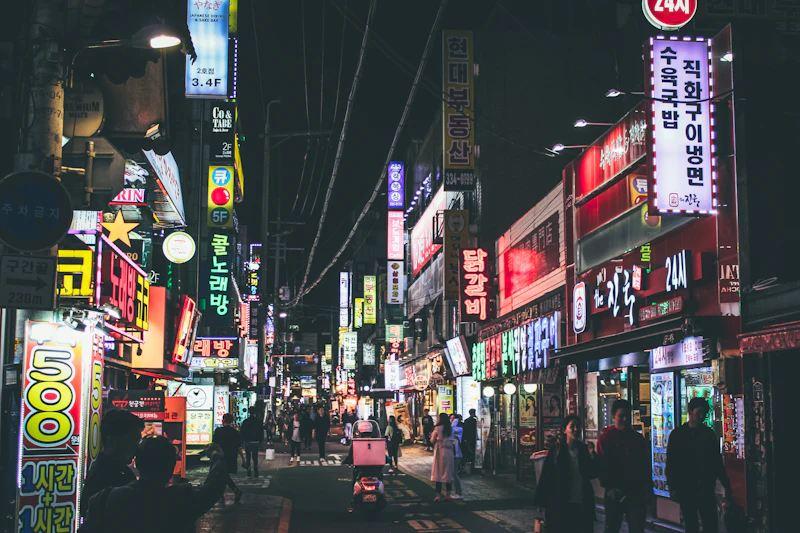
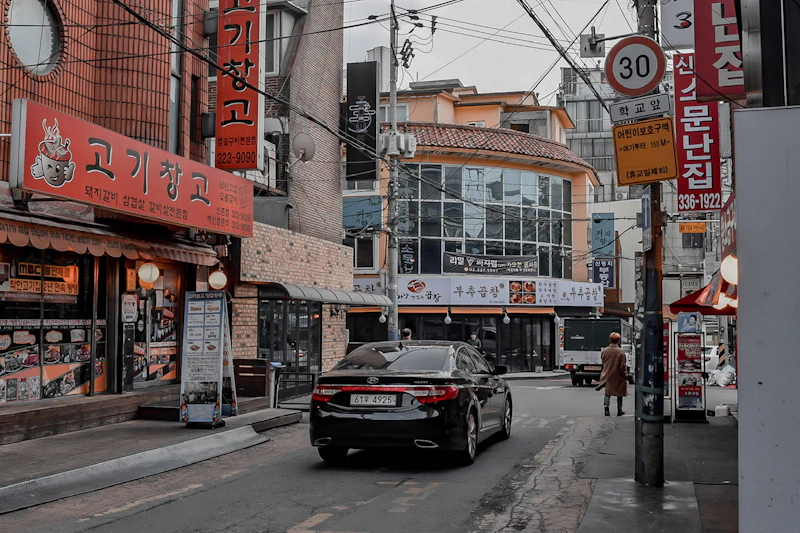
Bunsik eateries range from small street carts (Pojangmacha) and market stalls to casual sit-down franchise chains found near subway stations, university districts, and residential areas.
- Gimbap Cheonguk (Kimbap Heaven): Recognizable by its bright orange or yellow signboards, this ubiquitous franchise offers a huge menu of over 50 affordable dishes.
- Sadaegimbap & Kimgane: Popular nation-wide chains that specialize in freshly rolled gourmet kimbap and hot noodle bowls.
- Traditional Markets: Locations like Gwangjang Market, Mangwon Market in Seoul, or Seomyeon Market in Busan house dozens of open-air bunsik counters offering maximum atmosphere for minimal cost.
Essential Bunsik Menu Guide and Prices
When entering a traditional Bunsik eatery, you will find a broad selection of classic dishes. Here are the core staples you should order:
1. Tteokbokki (Spicy Stir-fried Rice Cakes)
Price Range: ₩3,500 – ₩5,000 (approx. $2.60 – $3.70 USD)
Tteokbokki is the undisputed king of Korean street food. Chewy, cylindrical rice cakes are simmered in a sweet, savory, and spicy gochujang (red chili paste) sauce alongside thin sliced fish cakes and scallions. It is rich, filling, and served hot.
2. Freshly Rolled Gimbap
Price Range: ₩3,500 – ₩5,500 (approx. $2.60 – $4.10 USD)
Unlike pre-packaged store versions, Bunsik restaurants roll kimbap fresh upon order. Warm seasoned rice is spread over a sea vegetable sheet, filled with pickled radish (danmuji), carrots, spinach, egg strips, and your choice of protein before being rolled and sliced. Classic variations include:
- Yachae Gimbap: Traditional vegetable roll.
- Chamchi Gimbap: Savory tuna and mayonnaise roll (a top seller nationwide).
- Tonkatsu Gimbap: Crispy deep-fried pork cutlet strip roll.
- Cheese Gimbap: Melted slice cheese rolled with seasoned vegetables.
3. Sundae (Korean Blood Sausage)
Price Range: ₩4,000 – ₩5,000 (approx. $3.00 – $3.70 USD)
Pronounced “soon-dae,” this traditional dish consists of glass noodles and barley seasoned with pork blood, stuffed into natural casing, and gently steamed. It has a chewy texture and a mild, savory taste. It is commonly served alongside steamed pork liver and offal slices, accompanied by seasoned chili salt for dipping.
4. Twigim (Korean-style Deep Fried Bites)
Price Range: ₩3,500 – ₩5,000 per assorted set (approx. $2.60 – $3.70 USD)
Twigim features crispy batter-fried morsels. Common varieties include squid rings, sweet potato slices, vegetable clusters, shrimp, boiled eggs, and Gimmari (glass noodles wrapped in seaweed and deep-fried). Diners typically dip crispy twigim directly into spicy tteokbokki sauce.
5. Odeng / Eomuk (Fish Cake Skewers with Soup)
Price Range: ₩1,000 – ₩1,500 per skewer (approx. $0.75 – $1.10 USD)
Skewered fish cake ribbons are simmered continuously in a rich broth made from radish, kelp, and dried anchovies. At street carts, you can take a skewer, eat, and use small paper cups to drink unlimited warm broth straight from the boiling vat free of charge.
6. Rabokki (Ramen + Tteokbokki)
Price Range: ₩5,500 – ₩7,500 (approx. $4.10 – $5.50 USD)
A satisfying hybrid dish combining a full portion of instant ramyeon noodles directly into a pan of bubbling spicy tteokbokki, often topped with hard-boiled eggs and melted cheese slices.
The Classic Bunsik Ordering Strategy: Tteok-Twi-Sun
If you are dining with a travel partner, use the traditional local ordering formula known as Tteok-Twi-Sun (an abbreviation for Tteokbokki, Twigim, and Sundae). Ordering these three dishes together provides a balanced combination of spicy, crispy, and savory textures. Dip both the deep-fried bites and the steamed blood sausage into the rich tteokbokki sauce for an authentic local culinary experience. This complete meal for two usually costs under ₩13,000 ($9.50 USD) total.
Part 3: Daily Sample Budget Meal Plans
To demonstrate how affordable eating in South Korea can be, consider these daily meal itineraries designed for budget-conscious travelers.
Option A: The Ultra-Budget Day (Under ₩15,000 / $11 USD)
- Breakfast (Convenience Store): 1 Tuna Mayo Samgak Kimbap (₩1,400) + 1 Pouch Iced Coffee with Ice Cup (₩2,000) = ₩3,400
- Lunch (Bunsik Diner): 1 Warm Bowl of Ramyeon + 1 Original Vegetable Gimbap roll = ₩7,000
- Dinner (Convenience Store): 1 Spicy Pork (Jeyuk) Dosirak Bento Box + 1 small soup cup = ₩5,500
- Total Daily Spending: ₩15,900 (~$11.75 USD)
Option B: The Comfort Food Explorer Day (Under ₩25,000 / $18 USD)
- Breakfast (Convenience Store): 1 Fresh Bakery Bread/Pastry + 1 Banana Milk container = ₩3,500
- Lunch (Bunsik Street Stall): Tteokbokki + Twigim combo set + free Odeng broth cup = ₩8,000
- Dinner (Bunsik Chain Restaurant): Handmade Pork Cutlet (Donkasu) with rice, salad, and side dishes = ₩8,500
- Evening Snack (Convenience Store): 1 Ice cream bar + 1 craft soda = ₩3,000
- Total Daily Spending: ₩23,000 (~$17.00 USD)
Part 4: Essential Practical Tips for Budget Dining
Maximize your dining savings and seamlessly navigate restaurants using these practical local tips:
1. Master Self-Service Rules
Most budget Bunsik restaurants keep overhead costs low by utilizing self-service dining models:
- Water & Banchan: Water stations are almost universally self-service (look for signposts reading “물은 셀프” – Water is self-service). Pickled yellow radish (danmuji) and kimchi are located in self-serve side-dish counters. Take only what you will finish.
- Utensils: Utensils are rarely set on top of the table. Look for a pull-out drawer hidden underneath the side edge of your dining table; you will find chopsticks, spoons, and napkins inside.
- Tray Return: At self-service diners and convenience store counters, return used trays, bowls, and garbage to designated return racks (“퇴식구”) near the kitchen.
2. Payment Methods and Kiosks
South Korea is a largely cashless society. Credit cards, debit cards, and mobile payments are accepted everywhere, including small convenience stores. However, carrying cash is recommended for traditional street food vendors and outdoor market stalls.
Many modern Bunsik shops utilize digital ordering kiosks at the store entrance. Most self-ordering kiosks feature an English language toggle button in the top corner. If English is unavailable, use smartphone translation apps (such as Papago or Google Translate) to scan menu text using your camera.
3. Useful Korean Vocabulary for Ordering
Memorizing a few key terms will make ordering quick food easy and smooth:
- Pyeon-ui-jeom (편의점): Convenience store
- Bunsik-jip (분식집): Bunsik diner / snack shop
- I-geot ju-se-yo (이것 주세요): Please give me this.
- Pojang-hae ju-se-yo (포장해 주세요): Please wrap this for takeaway / to-go.
- Meok-go ga-yeo (먹고 가요): I am eating here (for dine-in).
- Mul-eun self (물은 셀프): Water is self-service.
- Kasa-ham-ni-da (감사합니다): Thank you.
4. Take Advantage of Promotions
Korean convenience stores run ongoing promotional sales on drinks, snacks, and ready meals. Look for bright color tags printed on product shelves:
- 1+1 (Plus One): Buy one item, get a second item of equal value completely free.
- 2+1 (Two Plus One): Buy two items, get a third item free.
These discounts apply automatically at checkout, offering an easy way to stock up on water bottles, coffees, and travel snacks for your daily sightseeing trips.
Conclusion
Eating on a budget in South Korea never means sacrificing flavor, convenience, or variety. By mixing late-night convenience store noodle combinations with hot, freshly made Bunsik dishes from local neighborhood stalls, you gain an authentic perspective on how locals refuel during busy workdays. Pack your appetite, keep your transportation card loaded, and enjoy some of the best budget dining experiences Asia has to offer.
You Might Also Like
Frequently Asked Questions
How much does a convenience store meal cost in South Korea?
A complete convenience store meal in South Korea usually costs between 3,000 and 7,000 KRW ($2.25 to $5.25 USD). This typically gets you a full lunch box (dosirak), instant ramen, or gimbap alongside a drink.
Can tourists sit and eat food inside Korean convenience stores?
Yes, most major chains like CU, GS25, and 7-Eleven offer hot water dispensers, microwaves, and dedicated seating areas for customers to prepare and eat meals. Just be sure to separate your trash into the designated recycling bins when finished.
What is bunsik and how do I order it on a budget?
Bunsik refers to inexpensive Korean comfort food, featuring staples like gimbap (rice rolls), tteokbokki (spicy rice cakes), and fried snacks. You can easily order at small neighbourhood shops or kiosks, with most individual dishes priced under 6,000 KRW ($4.50 USD).
Searching Korea Editorial Team
Korea Travel Experts · Based in Seoul
this guide of Korea-based travel writers has been exploring South Korea for over a decade. We visit every destination we write about, verify prices and hours firsthand, and update our guides regularly to ensure accuracy. Our mission is to help travelers experience Korea like a local.