
Introduction: The Magic of Kimjang Season in South Korea
As autumn sweeps across South Korea, painting the mountain slopes in crimson and gold, a centuries-old culinary tradition comes alive across the nation. This is the season of Kimjang—the annual practice of preparing large quantities of kimchi to sustain households through the harsh winter months. Far more than a simple cooking task, Kimjang is a deeply rooted cultural ritual centered around community, sharing, and the celebration of nature’s autumn harvest.
For international travelers, participating in a hands-on Kimjang workshop during the autumn months offers one of the most authentic cultural immersion experiences available in South Korea. From learning the intricate balance of flavors in salted napa cabbage and fiery red pepper flakes to packing your own vacuum-sealed jar of handmade kimchi, taking part in Kimjang provides a tactile connection to Korean heritage. This guide covers everything you need to know about experiencing autumn Kimjang in South Korea, including historical significance, step-by-step workshop details, best regional locations, realistic costs, and essential practical tips.
What is Kimjang? Understanding Korea’s UNESCO Culinary Heritage
Kimjang refers to the collective practice of making and sharing large volumes of kimchi before winter sets in. Historically, fresh vegetables were unavailable during Korea’s freezing winter weather. To ensure a steady supply of vitamins and fermented nutrients, communities gathered in late autumn to salt, spice, and preserve hundreds of heads of napa cabbage (baechu) and Korean radishes (mu).
In 2013, UNESCO officially inscribed “Kimjang, making and sharing kimchi in the Republic of Korea” onto the Representative List of the Intangible Cultural Heritage of Humanity. UNESCO recognized that Kimjang transcends mere food preparation; it reinforces Korean societal identity, fosters family cooperation, and demonstrates a deep respect for natural seasonal cycles. Traditionally, neighbors would move from house to house helping each other complete their Kimjang, ending the laborious workdays with shared feasts of freshly made kimchi accompanied by steamed pork slices.
Why Autumn is the Gold Standard for Kimchi Making
While kimchi is eaten year-round in Korea, late October through early December represents the definitive Kimjang season. The timing is deliberate and tied directly to agriculture and climate:
- Peak Harvest Quality: Autumn napa cabbages harvested after the first light frost are known for their firm leaves, natural sweetness, and low water content, making them ideal for long-term fermentation.
- Ideal Fermentation Temperatures: The crisp late-autumn temperatures (typically between 5°C and 10°C) provide the perfect natural environment for slow, controlled fermentation without the risk of the cabbage spoiling quickly.
- Fresh Seasonal Ingredients: Autumn yields the freshest crops of key secondary ingredients, including aromatic Korean radishes, garlic, ginger, green onions, and newly harvested solar salt (cheonilyeom).
Visiting South Korea during this window gives travelers a rare opportunity to see local markets bursting with produce and to participate in limited-edition seasonal Kimjang workshops hosted by cultural centers, traditional villages, and cooking academies.
Step-by-Step: What to Expect in a Kimjang Workshop
Most tourist-friendly Kimjang classes in South Korea last between 1.5 to 3 hours. Instructors guide participants through the classic preparation process, explaining both the science of fermentation and the cultural nuances behind every step. Here is what you will experience during a workshop:
1. Preparing and Salting the Cabbage (Jeorim)
The foundation of great kimchi lies in the brining process. Napa cabbage is split lengthwise, rinsed thoroughly, and heavily salted between every leaf using coarse Korean sea salt. The cabbage is left to soak for 6 to 12 hours until the leaves become soft and pliable. In most 2-hour tourist classes, instructors handle this lengthy step beforehand, providing pre-salted cabbage ready for spicing, though they will demonstrate the proper salting technique on raw cabbage.
2. Crafting the Seasoning Paste (Yangnyeom)
The heart of Kimjang is the creation of the aromatic paste. Participants learn to combine essential ingredients in exact ratios:
- Gochugaru: Sun-dried Korean coarse red pepper powder, providing heat, vibrant color, and smoky sweetness.
- Aromatics: Freshly minced garlic, finely grated ginger, and sliced scallions or Korean chives (buchu).
- Fermented Seafood (Jeotgal): Salted shrimp (saeujeot) or anchovy fish sauce (myeolchi-aekjeot), which supply umami depth and active enzymes that fuel fermentation.
- Porridge Base: A light glutinous rice flour paste mixed with kelp or radish broth, which acts as fuel for beneficial lactic acid bacteria and helps the spices adhere to the cabbage leaves.
- Julienned Radish: Finely shredded Korean radish (mu) mixed directly into the paste to add crunch and refreshing moisture.
3. Stuffing the Leaves (Sok-neoki)
This is the most interactive phase of the workshop. Wearing protective aprons and thick rubber gloves, participants coat each leaf of the salted cabbage with the spicy paste. Working from the outermost leaves inward, you carefully rub the paste into every nook and cranny, ensuring complete coverage. Once fully coated, the outermost leaf is wrapped tightly around the entire cabbage head to seal in the flavors and create a compact bundle.
4. Tasting and Fermentation Guidance
Immediately after assembling the kimchi, participants sample their creation. Freshly made, unfermentation kimchi (geotjeori) has a bright, crunchy, and pungent flavor profile. Class instructors explain how to manage the fermentation process at home, detailing how room temperature storage for 24 to 48 hours kicks off lacto-fermentation before the kimchi is transferred to cold storage (0°C–4°C) for long-term aging.
Where to Experience Kimjang in South Korea: Top Destinations
Whether you are staying in the bustling capital of Seoul or exploring regional cultural hubs, several established centers offer authentic, English-friendly Kimjang programs during the autumn season.
1. Museum Kimchikan (Insadong, Seoul)
Located in the heart of Seoul’s traditional cultural district of Insadong, Museum Kimchikan is a modern museum dedicated entirely to the history and science of kimchi. Selected by CNN as one of the world’s top food museums, it features interactive exhibits, cold-storage tasting rooms, and professional culinary labs.
- Program: Offers structured kimchi-making workshops where visitors craft classic napa cabbage kimchi or seasonal white kimchi (baek-kimchi).
- Location: 35-4 Insadong-gil, Jongno-gu, Seoul.
- Languages: English, Korean, Japanese, Chinese.
- Price: Approximately ₩20,000 to ₩35,000 KRW per person (includes museum admission).
2. Seoul Kimchi Academy (Myeongdong, Seoul)
Situated in the popular shopping district of Myeongdong, the Seoul Kimchi Academy is designed specifically for international tourists seeking a quick, engaging cultural workshop. Classes often bundle kimchi making with traditional Hanbok dress-up photo sessions.
- Program: Hands-on cabbage kimchi making guided by multi-lingual staff, followed by tasting sessions paired with traditional snacks.
- Location: 24-8 Myeongdong 2-ga, Jung-gu, Seoul.
- Languages: English, Japanese, Mandarin.
- Price: Approximately ₩35,000 to ₩50,000 KRW per person.
3. Traditional Hanok Cooking Classes (Bukchon & Seochon, Seoul)
For a more immersive culinary experience, book a session at a boutique culinary school located inside a traditional wooden house (Hanok) near Gyeongbokgung Palace. Places like O’ngo Culinary Korea or private Airbnb Experience hosts offer small-group masterclasses.
- Program: Full culinary experience covering Kimjang techniques, followed by a full traditional meal where you eat your handmade kimchi alongside Bossam (boiled pork belly).
- Location: Bukchon Hanok Village / Seochon area, Seoul.
- Price: Approximately ₩70,000 to ₩120,000 KRW per person.
4. Gwangju Kimchi Town & World Kimchi Festival (Gwangju)
Located in the southwestern Jeolla province—a region renowned throughout Korea as the ultimate culinary capital—Gwangju hosts the annual Gwangju World Kimchi Festival every October or November at Gwangju Kimchi Town.
- Program: Mass Kimjang events where thousands of participants make kimchi together outdoors. Visitors can join large-scale workshops led by certified Kimchi Grand Masters. Jeolla-style kimchi features richer, bolder flavors with higher usage of fermented seafood sauces.
- Location: 60 Kimchitown-ro, Nam-gu, Gwangju.
- Price: Festival entry is free; hands-on workshop packages range from ₩15,000 to ₩40,000 KRW.
5. Rural Farm & Temple Stay Experiences (Gangwon & Gyeonggi Provinces)
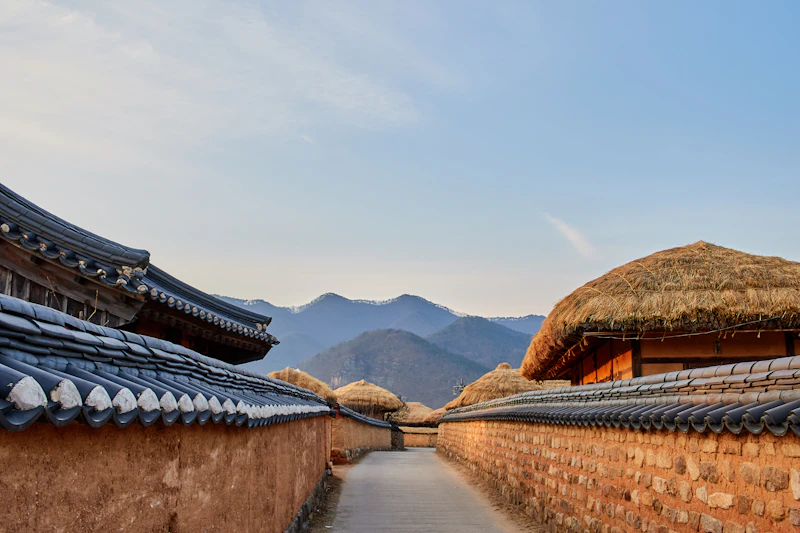
Travelers looking to escape the city can visit organic farms in Gyeonggi-do or countryside Buddhist temples in Gangwon-do (such as Woljeongsa Temple in Pyeongchang). Autumn temple stays frequently feature temple-style Kimjang, which strictly excludes garlic, onions, leeks, chives, and seafood in accordance with Buddhist vegetarian principles.
- Program: Harvesting fresh cabbages directly from farm fields followed by outdoor community Kimjang sessions.
- Price: ₩80,000 to ₩150,000 KRW (often includes overnight temple stay or farm stay lodging and meals).
Costs, Class Duration, and How to Book
Planning ahead is essential, as autumn is peak travel season in South Korea and seasonal Kimjang workshops fill up fast.
Typical Pricing Structure
- Basic Museum / Express Classes: ₩20,000 – ₩40,000 KRW ($15 – $30 USD). Includes ingredients, 1-hour instruction, and a small container of kimchi (approx. 500g).
- Standard Culinary School Classes: ₩50,000 – ₩80,000 KRW ($38 – $60 USD). Includes 1.5 to 2 hours of instruction, standard take-home container (1kg), and food tastings.
- Premium Hanok / Masterclass & Meal Experiences: ₩80,000 – ₩150,000 KRW ($60 – $115 USD). Includes full cooking lesson, larger kimchi yield, Hanbok wearing, and a complete traditional meal featuring Bossam and Korean rice wine (Makgeolli).
Booking Recommendations
It is strongly recommended to reserve your spot 2 to 4 weeks in advance, especially for travel between late October and late November. Reservations can be made through official venue websites, local travel booking platforms (such as Klook, Trazy, or Creatrip), or international platforms like Airbnb Experiences.
Customs Regulations: Can You Bring Handmade Kimchi Home?
One of the most common questions from foreign visitors is whether they can take their handmade kimchi home on an airplane. The answer is generally yes, but strict guidelines must be followed depending on liquid restrictions and individual country import laws.
1. Liquid Restrictions and Checked Baggage
Because kimchi contains liquid brine and paste, aviation safety authorities classify it as a liquid/gel. Kimchi containers exceeding 100ml are strictly prohibited in carry-on hand luggage and will be confiscated at airport security checkpoints. You must pack your kimchi inside your checked baggage.
2. Vacuum Sealing and Pressure Management
As kimchi ferments, it releases carbon dioxide gas. In the low-pressure environment of an aircraft cargo hold, unsealed jars or plastic containers can expand and explode, ruining your luggage contents.
- Always request heavy-duty plastic pouch packaging or double vacuum-sealing at your workshop.
- Wrap the vacuum-sealed package in multiple layers of bubble wrap or plastic bags before packing it tightly in the center of your suitcase surrounded by soft clothes.
- Keep the kimchi refrigerated in your hotel mini-fridge until the morning of your flight home.
3. Country-Specific Agricultural Import Rules
- United States: Processed, commercially packed or home-cooked fermented vegetables like kimchi are generally permitted, provided they contain no meat products. You must declare all food items on your customs declaration form upon arrival.
- European Union & UK: Vegetable-based kimchi without meat is generally permitted for personal import in small quantities.
- Australia & New Zealand: Extremely strict biosecurity laws apply. Commercially sealed kimchi is often allowed, but homemade versions made during workshops may be subject to inspection or refusal. Always declare all food items upon arrival to avoid severe fines.
Essential Practical Tips for Your Kimjang Experience
To make the most of your autumn Kimjang activity, keep these practical travel tips in mind:
- Dress Appropriately: Gochugaru (red pepper powder) stains clothing easily and is very difficult to wash out. Wear dark-colored clothes or old attire, even though workshops provide plastic aprons and sleeves. Avoid wearing long, wide sleeves that might dip into the spice paste.
- Mind Your Hands: Remove all rings, bracelets, and wristwatches before the class begins. The salt and spice paste can slip beneath jewelry and cause skin irritation. Most facilities provide heavy-duty rubber gloves; wear them to protect your hands from chili burns.
- Inform Instructors of Dietary Restrictions: Traditional kimchi relies heavily on fish sauce and salted shrimp. If you are vegan, vegetarian, or allergic to shellfish, notify the organizers when booking. Many venues in Seoul (such as Museum Kimchikan) offer vegan options using soy sauce or kelp broth as substitute umami bases upon prior request.
- Pace Your Tasting: Fresh autumn kimchi is spicy and highly acidic. Enjoy it alongside traditional accompaniments like warm steamed rice, boiled pork belly (Bossam), or mild tofu to prevent stomach sensitivity, especially if you are unaccustomed to raw garlic and chili powder.
- Explore Local Markets Afterward: After completing your workshop, visit a traditional market like Seoul’s Gwangjang Market or Mangwon Market. In November, you will see impressive mountains of napa cabbage, giant radishes, and massive tubs of red pepper paste, giving you a deeper appreciation for the scale of Korea’s autumn Kimjang season.
You Might Also Like
- Nami Island and Garden of Morning Calm Autumn Day Trip: Peak Foliage Dates, Transport & Itinerary Guide
- Ultimate Gyeongju Autumn Foliage Itinerary: Fall Colors at Bulguksa Temple, Cheomseongdae, and Donggung Palace
- Korean Temple Food Cooking Class in Seoul: A Tourist Guide to Seasonal Plant-Based Cuisine
Frequently Asked Questions
When is the best time to experience Kimjang in South Korea?
Kimjang season typically takes place from November to early December, aligned with the late autumn harvest before winter temperatures drop. Many cultural centers and local festivals across South Korea host hands-on workshops during this peak period.
How much does a kimchi-making class cost in South Korea?
A standard hands-on kimchi class costs between ₩35,000 and ₩75,000 ($25 to $55 USD) per person. Prices vary based on whether the experience includes additional activities like a local market tour or a hanbok dress-up session.
Can I pack the kimchi I make in my luggage to take home on a flight?
Yes, but you must pack it in your checked luggage because liquids and pastes over 100ml are banned in carry-ons. Most cooking academies will double-vacuum-seal your kimchi so it remains leak-proof and fresh during international travel.
Searching Korea Editorial Team
Korea Travel Experts · Based in Seoul
this guide of Korea-based travel writers has been exploring South Korea for over a decade. We visit every destination we write about, verify prices and hours firsthand, and update our guides regularly to ensure accuracy. Our mission is to help travelers experience Korea like a local.