
Discovering Korea’s Countryside Thermal Traditions
While millions of travelers head to Seoul to experience modern 24-hour urban jjimjilbangs (sauna complexes), South Korea’s most authentic and restorative thermal healing experiences lie far beyond the neon-lit capital. Deep within the forested mountains of Gangwon Province, the rolling hills of Gyeonggi, and historical enclaves like Jeonju and Sancheong, traditional wellness practices have been preserved for centuries. Two distinct experiences define countryside Korean thermal culture: traditional oak charcoal kilns (known in Korean as sut-gama) and boutique Hanok spas, which combine traditional wooden architecture with herbal medicine (hanbang) and natural hot springs (oncheon).
Rooted in ancient philosophies of balance, detox, and thermal therapy, these rural retreats offer immersive cultural encounters alongside physical rejuvenation. Whether you are seeking intense far-infrared heat therapy inside a high-temperature clay oven or a meditative foot bath overlooking a timber-framed courtyard, exploring Korea’s countryside wellness landscape offers an unforgettable journey into traditional lifestyle and natural healing.
Part 1: Traditional Oak Charcoal Kilns (Sut-Gama)
Traditional oak charcoal kilns represent one of South Korea’s most unique, rustic, and therapeutic sauna experiences. Originally constructed solely for industrial charcoal production, these facilities have evolved into natural wellness retreats due to the intense far-infrared heat generated by the kilns after the charcoal is extracted.
The Craft and Science Behind Sut-Gama
The process of creating a charcoal kiln sauna is deeply rooted in traditional craftsmanship. Massive domed chambers are constructed using red clay, stone, and mountain soil. Workers stack high-grade native Korean oak wood inside the chamber and seal the entrance, leaving only small air vents. The wood burns continuously at temperatures exceeding 1,000 degrees Celsius for several days, turning the oak into high-purity charcoal (cham-sut).
Once the charcoal is harvested, the empty clay dome retains immense heat. Over the following week, as the chamber slowly cools down from extreme heat to mild warmth, visitors enter the clay dome to soak in the residual heat. The red clay lining of the kiln releases high concentrations of far-infrared radiation and negative ions, which penetrate deep into muscular tissue and joints. Unlike electric saunas, the heat from an oak kiln promotes deep perspiration without feeling suffocating, helping to flush out metabolic waste, relieve chronic pain, and improve blood circulation.
Navigating the Kiln Heat Levels
A typical charcoal kiln facility features multiple domed chambers arranged side-by-side, each representing a different stage of the cooling process. As you move between chambers, you will encounter distinct heat tiers:
- Kkot-Tang (Flower Room): The hottest chamber, accessed within hours of charcoal removal. Temperatures can exceed 150 to 200 degrees Celsius. Entry requires wearing thick cotton socks, wooden clogs, and wrapping your body completely in heavy cotton blankets or towels to protect skin from contact burns. It is called the “flower room” because the intense heat creates a tingling sensation on the skin that locals poetically compare to blooming flowers.
- Go-On (High Heat): Intense and deeply therapeutic, ideal for experienced bathers looking for quick, heavy perspiration and joint pain relief.
- Jung-On (Medium Heat): Comfortable and accessible for most visitors, allowing for 10 to 15-minute sessions of relaxing heat therapy.
- Je-On (Low Heat): A warm, gentle environment suitable for extended relaxation, reading, or light napping.
- Sut-Bul-Ja-Ri (Charcoal Embers Area): In open common areas, fresh burning oak embers are placed inside open braziers. Visitors sit in a circle around the glowing coals, pointing the soles of their feet or back toward the fire to absorb direct far-infrared radiation.
Top Charcoal Kiln Destinations in South Korea
While rustic kilns exist across rural regions, several areas are renowned for their high-quality oak and authentic facilities:
- Hoengseong, Gangwon-do: Widely regarded as the heartland of Korean charcoal production. Facilities in Hoengseong use premium mountain oak, surrounded by peaceful pine forests. (Distance: ~2 hours east of Seoul).
- Yangpyeong and Pocheon, Gyeonggi-do: Ideal for travelers looking for day-trip options close to the capital. Facilities here offer authentic kilns alongside outdoor mountain streams where bathers can cool off. (Distance: 1 to 1.5 hours from Seoul).
- Gimhae and Miryang, Gyeongsang-do: Excellent options for travelers visiting Busan or Gyeongju, offering traditional Southern-style clay kilns with views of surrounding farmlands.
The Culinary Ritual: Charcoal-Grilled Cuisine
No visit to a charcoal kiln is complete without participating in the culinary traditions attached to the facility. Because high-grade charcoal is produced on-site, kilns almost always feature attached restaurants or outdoor cooking spaces.
Visitors frequently enjoy Samgyeopsal (pork belly) or Moksal (pork shoulder) grilled directly over the fresh oak coals, which imparts a distinctive smoky aroma to the meat. Guests can also roast sweet potatoes (gun-guma), rice cakes (tteok), and chestnuts in the lingering embers of the open braziers. To rehydrate, standard local drinks include Sikhae (a sweet fermented rice beverage) and chilled Miyeok-guk (seaweed soup), known for replenishing minerals lost through sweating.
Part 2: Hanok Spas and Hanbang Herbal Healing
If charcoal kilns represent rugged, high-heat physical detox, Hanok spas offer an elegant, meditative approach to thermal healing. Combining traditional Korean architecture with ancient herbal medicine (hanbang), these sanctuaries emphasize harmony between the body, mind, and surrounding nature.
Architectural and Sensory Harmony
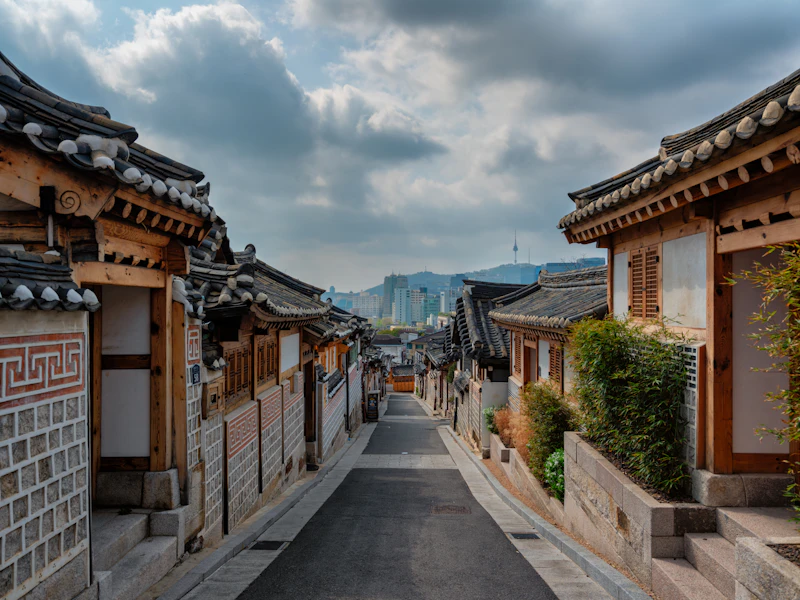
A Hanok is a traditional Korean house designed in harmony with its natural environment. Key architectural elements—exposed pine wooden beams, clay walls, paper windows (hanji), and curved tiled roofs (giwa)—create an atmosphere of tranquil beauty. Hanok spas utilize these natural materials to enhance wellness.
The scent of aged pine timber mixed with aromatic medicinal herbs creates an immediate soothing effect upon entry. Facilities are built around open central courtyards (madang), allowing bathers to gaze at manicured gardens, mountain ridges, or falling rain while soaking in natural hot springs or herbal tubs.
Hanbang: Traditional Herbal Bathing Formulations
Hanok spas frequently integrate the principles of Donguibogam (a famous 17th-century Korean medical treatise). Hot mineral water is infused with carefully selected medicinal herbs to address specific ailments and improve overall vitality:
- Ssuk (Korean Mugwort): Renowned for its warming properties, mugwort baths help improve blood circulation, ease digestive discomfort, and soothe sensitive skin.
- Insam (Korean Ginseng): Rich in antioxidants, ginseng baths boost energy levels, fight fatigue, and nourish aging skin.
- Jinpi (Dried Mandarin Peel): Rich in Vitamin C, mandarin peel baths revitalize dry skin and assist in stress reduction through citrus aromatherapy.
- Eosongcho (Houttuynia Cordata): Known for its powerful anti-inflammatory and antibacterial properties, popular for treating skin irritations.
Prominent Hanok Spa Regions and Venues
Travelers seeking high-end Hanok spa experiences can find exceptional facilities across several historical regions:
- Sancheong Donguibogam Village (Gyeongsangnam-do): Located at the base of Jirisan Mountain, this vast wellness center is dedicated to traditional Korean medicine. Visitors can experience customized herbal foot baths, mugwort warm-pack therapy, Hanok overnight stays, and personalized medical consultations with licensed Hanbang practitioners.
- Jeonju Hanok Village (Jeollabuk-do): Famous for its preserved traditional neighborhood, Jeonju features boutique Hanok stay facilities offering private courtyard foot baths (jok-yok), herbal tea ceremonies, and relaxing outdoor soaking tubs (nocheon-tang).
- Asan and Onyang (Chungcheongnam-do): Home to South Korea’s oldest recorded hot springs. Several venues in this region feature traditional Hanok-style open-air bathing pavilions supplied by naturally alkaline mineral waters.
Charcoal Kilns vs. Hanok Spas: Comparing the Experiences
Understanding the operational differences between these two traditional wellness practices will help you choose the ideal experience for your itinerary:
- Primary Focus: Charcoal kilns focus on high-temperature detox, far-infrared radiation, and joint/muscle relief. Hanok spas focus on low-impact relaxation, herbal hydrotherapy, stress reduction, and aesthetic beauty.
- Attire: Charcoal kilns provide loose cotton shorts and shirts (jjimjil-bok) worn by all guests in co-ed facilities. Hanok spas vary between open-air private soak tubs (requiring robes/swimwear) and traditional gender-segregated communal hot spring baths (soaked nude).
- Atmosphere: Charcoal kilns are rustic, social, energetic, and deeply community-oriented. Hanok spas are quiet, meditative, peaceful, and refined.
- Thermal Medium: Kilns use dry heat generated by clay and oak charcoal embers. Hanok spas use mineral hot springs, herbal steam, and liquid warm baths.
Practical Visitor Information and Planning Guide
Best Time to Visit
While both experiences are open year-round, autumn (October to November) and winter (December to March) offer the best conditions. The crisp countryside air makes the high heat of oak kilns refreshing, while outdoor Hanok hot spring baths (nocheon-tang) are most enjoyable when contrast exists between cold mountain air and steaming warm water.
Expected Costs (in Korean Won)
Prices vary based on location and level of luxury, but countryside wellness experiences remain highly affordable compared to Western resort spas:
- Charcoal Kiln Entry Fee: 12,000 to 20,000 KRW per adult. This includes access to all heat chambers, locker usage, and cotton sauna clothing rental.
- Kiln Food & Dining: 15,000 to 25,000 KRW per person for charcoal-grilled pork meals; 3,000 to 5,000 KRW for sweet potatoes, tea, or cold rice drinks.
- Hanok Foot Bath & Tea Experience: 10,000 to 20,000 KRW per person (usually includes a 30-minute foot soak with herbal salts and a pot of traditional tea).
- Premium Hanok Spa Day Pass: 40,000 to 90,000 KRW per person for full-day entry to hot spring pools, herbal saunas, and relaxation lounges.
- Private Hanok Spa & Stay Package: 150,000 to 400,000+ KRW per night, including overnight lodging, private courtyard spa access, and traditional breakfast.
Transportation Options
Reaching rural wellness spots requires some basic transit planning:
- By Rental Car: Renting a car from Seoul or major KTX stations (like Wonju, Gangneung, or Jeonju) is the most convenient way to reach mountain charcoal kilns in Gangwon-do or Gyeonggi-do, as rural bus routes can be infrequent.
- By KTX Train + Taxi: High-speed trains connect Seoul to major countryside hubs. For example, take the KTX to Gangneung or Wonju for Gangwon kilns, or take the KTX to Jeonju or Jinju for Hanok wellness villages. From the station, short taxi rides can bring you directly to the spa facilities.
Essential Cultural Etiquette and Tips
- Remove Shoes: Remove outdoor footwear immediately upon entering both kilns and Hanok complexes. Place your shoes in assigned entrance lockers and use provided indoor slippers or walk in clean socks.
- Hydrate Constantly: High-heat charcoal kilns cause rapid fluid loss. Drink plenty of water or traditional electrolytic beverages available on-site.
- Protect Your Hair and Eyes: In high-temperature kiln rooms (Kkot-tang), wear a thick cotton towel wrapped around your head (in a turban or the popular “lamb-head” style) to protect your hair from heat drying. Avoid wearing contact lenses in extreme heat rooms.
- No Metal Jewelry: Take off all rings, necklaces, watches, and metal hair clips before entering kilns. Metal heats up instantly and can cause serious skin burns.
- Shower Before Soaking: In Hanok spas with communal pools, thoroughly wash your body at the standing or sitting shower stations before entering the shared soaking tubs.
- Bring Cash or Korean Mobile Pay: While major facilities accept international credit cards, smaller countryside kilns and rural food stalls often prefer cash or local bank transfers for small purchases like sweet potatoes or snacks.
Stepping out of the major cities to experience Korea’s authentic charcoal kilns and historic Hanok spas offers far more than a simple day of relaxation. It provides a meaningful window into traditional Korean living, rural community culture, and centuries-old therapeutic remedies that leave body and mind fully restored.
You Might Also Like
Frequently Asked Questions
How do I get to countryside Korean charcoal kilns and Hanok spas from Seoul?
Most rural wellness spots in regions like Gangwon or Gyeonggi are accessible by KTX train or intercity bus from Seoul, followed by a short local taxi ride. Renting a car is recommended for reaching more secluded mountain kilns efficiently.
What should I wear and bring to a traditional Korean charcoal kiln spa?
The facility provides heavy cotton clothes for heat protection, but you should bring thick cotton socks to protect your feet from hot floors. Avoid wearing jewelry or synthetic items, as metal and plastic can melt or cause burns in extreme heat.
How much does it cost to visit a traditional countryside spa in South Korea?
Basic admission to traditional charcoal kilns (sut-gama) and local Hanok baths typically ranges from 10,000 to 20,000 KRW ($8–$15 USD) per person. Higher-end, private Hanok wellness retreats cost significantly more and usually require advance online reservations.
Searching Korea Editorial Team
Korea Travel Experts · Based in Seoul
this guide of Korea-based travel writers has been exploring South Korea for over a decade. We visit every destination we write about, verify prices and hours firsthand, and update our guides regularly to ensure accuracy. Our mission is to help travelers experience Korea like a local.