
Unlocking the Flavors of Korea: Traditional Rice Cake and Dessert Classes in Seoul
Korea’s rich culinary heritage extends far beyond savory favorites like kimchi, bibimbap, and Korean barbecue. Deeply rooted in the nation’s history is a sophisticated tradition of delicate confections, known collectively as tteok (rice cakes) and hangwa (traditional sweets). For travelers seeking an immersive cultural activity in Seoul, participating in a traditional Korean dessert-making class offers a hands-on window into the country’s artistic, seasonal, and ceremonial food culture.
Among the vast array of traditional delicacies, two items stand out as cultural icons: Songpyeon, the half-moon-shaped rice cake essential to the autumn harvest festival of Chuseok, and Yakgwa, a luxurious, honey-soaked fried pastry once reserved for royalty. Today, culinary studios across Seoul open their doors to international visitors, offering interactive workshops where you can learn to craft these historical delicacies from scratch. This comprehensive guide covers everything you need to know about booking and enjoying a Songpyeon and Yakgwa cooking class in Seoul, including neighborhood options, typical costs, preparation steps, and practical travel advice.
Understanding the Delicacies: Songpyeon and Yakgwa
To fully appreciate the class experience, it helps to understand the history, cultural symbolism, and unique culinary techniques behind these two beloved treats.
Songpyeon: The Crescent Moon of Gratitude
Songpyeon (송편) is a traditional Korean rice cake made from non-glutinous rice flour dough filled with sweet or savory ingredients. It is most famously associated with Chuseok, the Korean Mid-Autumn Harvest Festival. According to Korean folklore, shaping a beautiful Songpyeon signifies that a person will find a wonderful spouse or have healthy, beautiful children.
The defining characteristics of Songpyeon include:
- Half-Moon Shape: Unlike many Asian rice cakes that are round, Songpyeon is shaped like a crescent moon. Korean tradition interprets the full moon as a symbol of peak maturity that will inevitably wane, whereas the half-moon symbolizes growth, abundance, and a fruitful future.
- Natural Colorants: The dough is traditionally tinted using natural ingredients such as mugwort powder (green), dried fruit powders (pink/red), pumpkin or gardenia fruit (yellow), and sweet potato (purple).
- Flavorful Fillings: Common fillings include toasted sesame seeds mixed with brown sugar and honey, sweet mung bean paste, sweetened red bean paste, or cooked chestnut pieces.
- Pine Needle Steaming: The word song translates to “pine tree.” Songpyeon are traditionally steamed over a bed of fresh pine needles. This process imparts a subtle woodsy fragrance, prevents the cakes from sticking together, and acts as a natural preservative due to the antimicrobial properties of pine resin.
Yakgwa: The Medicinal Royal Pastry
Yakgwa (약과) is a classic variety of hangwa with roots dating back to the Goryeo Dynasty (918–1392 AD). The word yak means “medicine,” referring to the high-value ingredients historically used to make it—specifically honey, sesame oil, and ginger—which were believed to promote health and longevity.
Unlike steamed rice cakes, Yakgwa is a fried pastry made from wheat flour, sesame oil, honey, and rice wine (cheongju). The dough is kneaded gently, pressed into ornate wooden or silicone molds depicting flower blossoms, deep-fried at controlled temperatures, and then submerged in a warm ginger-and-grain-syrup bath (jocheong) for several hours. The result is a dense, moist, layer-cake-like confection with a rich, aromatic sweetness and a melt-in-your-mouth texture.
What to Expect in a Seoul Cooking Class
Cooking classes in Seoul cater to all skill levels, from absolute beginners to experienced home bakers. Instructors are typically certified Korean culinary experts, professional pastry chefs, or passionate home cooks fluent in English, Chinese, or Japanese.
Standard Class Structure and Duration
Most Songpyeon and Yakgwa classes run between 2 to 3 hours. A standard session follows a smooth, step-by-step structure:
- Introduction and Cultural History: The session begins with a brief overview of the history, symbolism, and seasonal significance of the desserts you will prepare.
- Ingredient Preparation and Kneading: You will mix rice flour with hot water and natural coloring powders to create smooth, pliable dough for Songpyeon. For Yakgwa, you will combine wheat flour with sesame oil and liquid sweeteners, learning the exact kneading technique needed to build flaky layers without developing excess gluten.
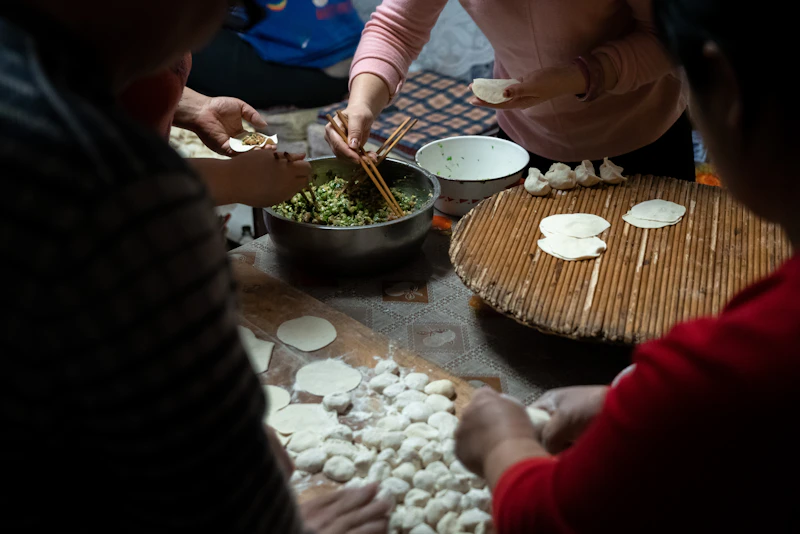
- Shaping and Molding: Instructors guide you through traditional shaping techniques. For Songpyeon, you will learn how to form dough balls, create a well for fillings, seal the edges, and pinch them into elegant crescent crescents or intricate flower shapes. For Yakgwa, you will press the dough into traditional flower-shaped wooden presses (ddaek).
- Cooking Process: You will steam the Songpyeon over pine needles in bamboo steamers and deep-fry the Yakgwa under instructor supervision before soaking them in ginger syrup.
- Tasting and Tea Ceremony: Classes conclude with a relaxed tasting session where you enjoy your freshly made treats alongside traditional Korean herbal teas, such as Omija-cha (five-flavor berry tea) or Maehwa-cha (plum blossom tea).
- Packaging: Remaining sweets are packed into elegant boxes or traditional cloth wraps (bojagi), making them excellent handmade gifts or travel snacks.
Top Neighborhoods for Dessert Classes in Seoul
Where you take your class can significantly shape your overall experience. Seoul offers several distinct hubs for traditional culinary experiences, each with its own charm and atmosphere.
1. Bukchon Hanok Village and Samcheong-dong (Jongno-gu)
Located between Gyeongbokgung and Changdeokgung Palaces, Bukchon Hanok Village is the iconic neighborhood for traditional cultural experiences. Studios here are frequently housed inside beautifully restored traditional Korean homes (hanok), featuring wooden beams, courtyard gardens, and sliding paper doors (hanji). Making traditional rice cakes while looking out over curved tile roofs provides an extraordinarily authentic cultural atmosphere.
2. Insadong (Jongno-gu)
Insadong is Seoul’s primary arts and crafts district, famous for traditional teahouses, antique shops, and art galleries. Cooking workshops in Insadong are highly accessible and convenient to combine with a afternoon of sightseeing, souvenir shopping, and teahouse visiting. Many instructors here specialize in historic court cuisine and traditional dessert preservation.
3. Hongdae and Yeonnam-dong (Mapo-gu)
For a modern twist, studios in the youth-culture hub of Hongdae often offer contemporary fusion variations of traditional desserts. Here, you might learn how to make modernized flower-shaped Songpyeon, miniature Yakgwa cakes, or rice cake desserts adapted with modern aesthetics suitable for creative culinary photography.
4. Gangnam and Seongsu-dong
Travelers looking for professional boutique baking academies often head south of the Han River to Gangnam or east to the trendy, industrial-chic district of Seongsu. These classes are often held in sleek, modern culinary kitchens with high-end appliances, focusing on precision, upscale presentation, and fine art dessert design.
Costs and Class Pricing Breakdown
Prices for traditional Korean dessert classes in Seoul vary depending on group size, location, venue type (modern studio vs. historic Hanok), and the complexity of the menu provided. All prices below are given in South Korean Won (KRW).
- Standard Group Class (4 to 10 participants): 60,000 KRW – 90,000 KRW per person ($45 – $68 USD). These usually cover either Songpyeon or Yakgwa, or basic versions of both, and include all ingredients, tea, and gift boxes.
- Premium or Small Group Class (2 to 4 participants): 95,000 KRW – 130,000 KRW per person ($70 – $98 USD). These offer more detailed individual guidance, high-grade organic ingredients, and elaborate gift wrapping like bojagi silk tying.
- Private Custom Class: 150,000 KRW – 250,000 KRW+ per person ($110 – $185+ USD). Ideal for families, corporate groups, or dedicated culinary enthusiasts who want a tailored curriculum and one-on-one instruction.
What is Typically Included in the Price:
- All raw ingredients and cooking utensils
- English-language instruction (or multi-lingual assistants)
- Traditional Korean tea and dessert tasting session
- Decorative gift box and takeaway packaging for your creations
- Digital or printed recipe sheets to take home
Dietary Information and Accessibility
Understanding the dietary profile of Korean desserts ensures a smooth experience for travelers with specific dietary restrictions or food allergies:
- Gluten-Free Considerations: Pure Songpyeon is naturally gluten-free, as it is made strictly from non-glutinous rice flour and natural plant dyes. However, double-check with the instructor regarding facility cross-contamination. Yakgwa is NOT gluten-free, as its primary base ingredient is wheat flour.
- Vegetarian and Vegan Friendly: Most traditional Songpyeon recipes are naturally vegan, utilizing plant fillings like sesame seeds, chestnuts, red beans, and sugar. Yakgwa typically uses honey and grain syrup, making it suitable for vegetarians, though strict vegans who avoid honey should notify the instructor in advance so plant-based alternatives can be arranged.
- Nut Allergies: Standard Songpyeon fillings frequently feature sesame seeds or chestnuts. Tree nut allergies should be communicated during booking so studios can substitute simple sugar or bean paste fillings.
- Kid-Friendly Activity: Working with rice dough is very similar to playing with modeling clay, making Songpyeon shaping an exceptionally engaging, kid-friendly activity for families traveling with children.
Practical Tips for Booking and Attending Your Class
To ensure a seamless, enjoyable experience, keep these practical tips in mind when planning your culinary adventure in Seoul:
1. Book Well in Advance
Popular English-speaking culinary classes in Bukchon and Insadong fill up quickly, especially during peak tourist seasons (Spring Cherry Blossom season from late March to April, and Autumn Foliage season from September to November). Aim to reserve your spot at least 2 to 4 weeks prior to your trip via established booking portals or directly through studio websites.
2. Time Your Visit with Korean Festivals
If you visit Korea around Chuseok (which usually falls in September or October depending on the lunar calendar), making Songpyeon offers a profound connection to real-time cultural celebrations. Note that studios fill fast during holiday weeks, so early reservations are vital.
3. Wear Comfortable Clothing
In traditional Hanok studios, seating is often low to the ground on traditional cushions (bangseok) around wooden tables. Wear comfortable, stretchy trousers or long skirts that allow you to sit comfortably on the floor. While most modern studios use standard cooking counters with chairs, wearing comfortable shoes and clothes you don’t mind getting a dusting of flour on is always advisable.
4. Plan Travel Time Appropriately
Seoul’s public transport system (the Seoul Subway) is clean, efficient, and punctual. If your studio is located in the narrow alleys of Bukchon Hanok Village or Insadong, subway stations like Anguk Station (Line 3) or Jongno 3-ga Station (Lines 1, 3, and 5) are the best access points. Allow an extra 15 minutes of walking time to navigate historic alleyways, as GPS map applications can sometimes lose accuracy among dense historic buildings. (Note: Naver Map and KakaoMap are far more accurate in South Korea than Google Maps).
5. Know the Expiry and Storage Rules for Your Creations
Freshly steamed rice cakes and fried pastries behave differently over time:
- Songpyeon Shelf Life: Fresh Songpyeon contains no chemical preservatives and is best consumed on the day it is made. Room temperature storage is fine for up to 24 hours. If keeping them longer, freeze them immediately in an airtight container; do not store them in the refrigerator, as cold temperatures cause rice starch to harden and turn dry. Re-steam frozen rice cakes for 5 to 10 minutes before eating.
- Yakgwa Shelf Life: Because Yakgwa is deep-fried and soaked in syrup, it has a much longer shelf life. It stays fresh at room temperature in a sealed container for 1 to 2 weeks, making it an ideal handmade souvenir to pack in your luggage for your journey home.
6. Bring a Camera or Ensure Full Phone Battery
Korean dessert classes are famously aesthetic. From the colorful powders to the intricate wood carving of pastry molds and classical ceramic serving dishes, you will want to document the artistic process. Instructors are almost always happy to take photos of you during key steps in the cooking process.
Conclusion
Taking a traditional Korean rice cake class in Seoul offers far more than just a delicious sweet treat. It provides a creative, tactile connection to centuries of Korean history, symbolism, and hospitality. Whether you are shaping crescent-moon Songpyeon inside a historic Hanok in Bukchon or dipping golden flower-shaped Yakgwa in ginger syrup in a vibrant studio, this cultural cooking experience yields unforgettable memories—and edible treasures—to enrich your South Korean travel journey.
You Might Also Like
Frequently Asked Questions
How much does a traditional Korean dessert cooking class in Seoul cost?
Most rice cake and hangwa making classes in Seoul cost between $40 to $80 USD per person. This fee typically covers all ingredients, recipe sheets, English instruction, and gift boxes to take your creations home.
How long do songpyeon and yakgwa classes take, and do I need to book in advance?
Classes usually last between 2 to 3 hours and should be booked at least 1 to 2 weeks in advance online. Booking early is especially important during peak holiday seasons like Chuseok (Korean Thanksgiving), when demand for traditional baking classes spikes.
Are Korean rice cake classes suitable for people with dietary restrictions?
Songpyeon is naturally gluten-free and vegetarian, as it is made from short-grain rice flour and filled with seeds, nuts, or sweet bean paste. However, yakgwa contains wheat flour and honey, so be sure to inform your instructor in advance about any allergies or dietary needs.
Searching Korea Editorial Team
Korea Travel Experts · Based in Seoul
this guide of Korea-based travel writers has been exploring South Korea for over a decade. We visit every destination we write about, verify prices and hours firsthand, and update our guides regularly to ensure accuracy. Our mission is to help travelers experience Korea like a local.