
Nestled between the rugged Taebaek Mountains and the crystal-clear waters of the East Sea, Gangneung (강릉) is widely regarded as one of South Korea’s premier coastal destinations. While summer attracts beachgoers looking to beat the heat, autumn transforms this charming city in Gangwon Province into a serene, romantic getaway. With crisp ocean breezes, vibrant fall foliage surrounding its famed freshwater lake, and the rich scent of freshly roasted coffee lingering in the air, Gangneung offers an idyllic autumn escape just two hours from Seoul.
This comprehensive weekend itinerary provides a step-by-step guide to exploring Gangneung during its prime autumn season. From sipping artisanal brews along Anmok Coffee Street to cycling around Lake Gyeongpo and walking through aromatic pine forests by the shore, this guide covers transport logistics, realistic cost estimates in Korean Won (KRW), seasonal highlights, and practical travel advice.
Why Autumn is the Best Time to Visit Gangneung
Autumn in South Korea—spanning from late September through mid-November—delivers optimal travel conditions. High temperatures in Gangneung during October average around 18°C to 20°C (64°F–68°F), dropping to comfortable cooler levels in the evening. Rainy days are significantly fewer compared to the monsoon-heavy summer months, giving travelers clear blue skies and pleasant conditions for outdoor exploration.
Furthermore, autumn brings a striking visual contrast to Gangneung. The vibrant reds, oranges, and golds of autumn foliage drape over Gyeongpo Lake and nearby mountain slopes, framing the deep turquoise hues of the Sea of Japan (East Sea). Autumn also marks the hosting of the annual Gangneung Coffee Festival, celebrating the city’s unique status as the coffee capital of Korea.
Getting to Gangneung from Seoul
Reaching Gangneung has never been easier thanks to South Korea’s efficient high-speed railway system. The KTX-Eum train connects central Seoul directly to Gangneung Station in under two hours.
By High-Speed Train (KTX)
- Departure Stations: Seoul Station or Cheongnyangni Station
- Arrival Station: Gangneung Station (강릉역)
- Travel Time: Approximately 1 hour 40 minutes to 2 hours
- One-Way Fare: ₩26,000 (Standard Class) / ₩31,200 (First Class)
- Tip: Train tickets open for booking 30 days in advance via the official Korail website or app. KTX seats to Gangneung sell out fast on autumn weekends, so advance booking is highly recommended.
By Express Bus
- Departure Station: Seoul Express Bus Terminal (Express Bus Line) or East Seoul Bus Terminal
- Arrival Station: Gangneung Express Bus Terminal
- Travel Time: 2 hours 30 minutes to 3 hours (subject to weekend highway traffic)
- One-Way Fare: ₩16,000 to ₩23,000 depending on bus class (Standard, Excellent, or Premium)
Day 1: Coastal Charm, Coffee Culture, and Ocean Walks
Morning: Arrival and Local Flavors at Gangneung Central Market
Upon arriving at Gangneung Station in the morning, take a quick 10-minute taxi ride (approx. ₩5,000) or a short bus ride (Buses 220, 223, or 300; ₩1,400 with a T-money card) to Gangneung Central Market (Gangneung Jungang Sijang). This traditional market is the epicenter of local street food and culinary history.
Spend your morning grazing through the lively aisles. Must-try local delicacies include:
- Dakgangjeong (Sweet and Crispy Fried Chicken): Deep-fried chicken bits glazed in a sweet, mildly spicy sauce topped with chopped peanuts. (Small box: ₩10,000 / Large box: ₩18,000–₩20,000)
- Handmade Eomuk Croquette (Fishcake Croquette): Crispy fishcakes filled with ingredients like cheese, kimchi, or sweet potato. (₩2,500–₩3,000 each)
- Yukjjop Garlic Bread: Cream cheese-stuffed garlic bread made famous by local bakeries. (₩4,500–₩5,000)
Afternoon: Anmok Beach & Coffee Street
After sampling market treats, head east to Anmok Beach (안목해변), home to the world-famous Gangneung Coffee Street. In the late 1980s, Anmok Beach gained fame for its row of coffee vending machines where locals gathered to drink coffee while admiring the ocean view. Over the decades, master roasters and specialty cafes replaced the machines, turning the shoreline into an international coffee hub.
The coastline is lined with multi-story cafes featuring floor-to-ceiling glass windows and rooftop terraces designed to maximize ocean views. Autumn weather allows for outdoor terrace seating without the sweltering heat of summer.
Top Recommended Cafes on Anmok Coffee Street:
- Cafe Bossa Nova: Renowned for its rooftop views of the beach, roastery quality, and freshly baked pastries. Hand-drip coffees range from ₩5,500 to ₩7,500.
- AM Bread & Coffee: A modern 3-story bakery cafe offering sea views and handcrafted baked goods. Try their Signature Ocean Latte (₩6,500).
- Coffee Cupper: A brand deeply connected to Gangneung’s specialty coffee history, perfect for purists seeking single-origin hand-drip coffee (₩6,000–₩8,000).
Late Afternoon: Songjeong Pine Tree Beach Walk
Before the sun sets, embark on a scenic coastal walk along the Gangneung Bau-gil Route 5 (Sea Pines Path). Starting directly north from Anmok Beach, this walking path takes you through a dense forest of century-old Korean Red Pines running parallel to the shoreline toward Songjeong Beach (송정해변).
In autumn, the scent of fresh pine needles mixes with the salty sea air, creating a calming atmosphere. The flat, wooden boardwalks and soft pine needle paths make this 2.5-kilometer walk accessible for visitors of all fitness levels. Walking this trail takes about 45 to 60 minutes at a relaxed pace and costs nothing.
Evening: Fresh East Sea Seafood or Chodang Tofu Dinner
Conclude your first day by dining near Gangmun Beach or in nearby Chodang Tofu Village (초당두부마을). Gangneung is famous for its unique tofu prepared using pure sea water drawn from the East Sea as a natural coagulant.
- Chodang Soondubu (Soft Tofu Stew): Silken soft tofu served in a mild broth or spicy seafood soup. (₩10,000–₩13,000 per bowl)
- Soondubu Jjamppong: A spicy fusion dish combining Chinese-style seafood noodle soup with soft Chodang tofu. Popular at Donghwa Garden (₩11,000–₩13,000).
- Assorted Fresh Sashimi (Hwe): If you prefer seafood, coastal restaurants near Gangmun offer fresh seasonal fish platters served with side dishes (₩70,000–₩120,000 for 2 people).
Day 2: Autumn Foliage, Lake Cycling, and Cultural Heritage
Morning: Autumn Cycling Around Lake Gyeongpo
Start your second day at Lake Gyeongpo (경포호), a natural coastal lagoon surrounded by weeping willows, reeds, and cherry trees whose leaves turn vibrant shades of yellow and red in October. The perimeter of the lake features a dedicated, flat 4.3-kilometer paved pathway that is ideal for walking or cycling.
Bicycle Rental Details:
- Location: Multiple rental shops are situated along the south and west shores of Lake Gyeongpo.
- Single Bicycle Cost: Approx. ₩5,000 per hour
- Tandem (2-Person) Bicycle: Approx. ₩10,000 per hour
- Family / Covered Tricycle (3-4 Person): Approx. ₩15,000–₩20,000 per hour
As you cycle around the lake, stop at Gyeongpodae Pavilion (경포대), located on a hill overlooking the water. Built in 1326, this historic wooden pavilion is celebrated as one of the best vantage points in Korea to observe the reflection of the moon and autumn skies on the serene lake surface. Entrance to Gyeongpodae is free.
Late Morning: Immersive Art at Arte Museum Gangneung
Located just a short walk from the western edge of Lake Gyeongpo lies Arte Museum Gangneung. Spanning over 4,600 square meters, this immersive digital media art exhibition focuses on the theme of “VALLEY,” displaying large-scale light and sound installations inspired by nature, light, and regional geography.
It provides an engaging indoor experience, particularly if the morning air feels chilly. Highlights include digital waterfalls, infinite wave projections, and an interactive Tea Bar where light projections blossom inside your teacup.
- Operating Hours: 10:00 AM – 8:00 PM (Last entry at 7:00 PM)
- Admission Ticket: Adults (19+): ₩17,000 / Youths (14-18): ₩13,000 / Children (8-13): ₩10,000
- TEABAR Add-on: ₩4,000 (includes 1 specialty tea beverage)
Afternoon: Historical Walk at Ojukheon House
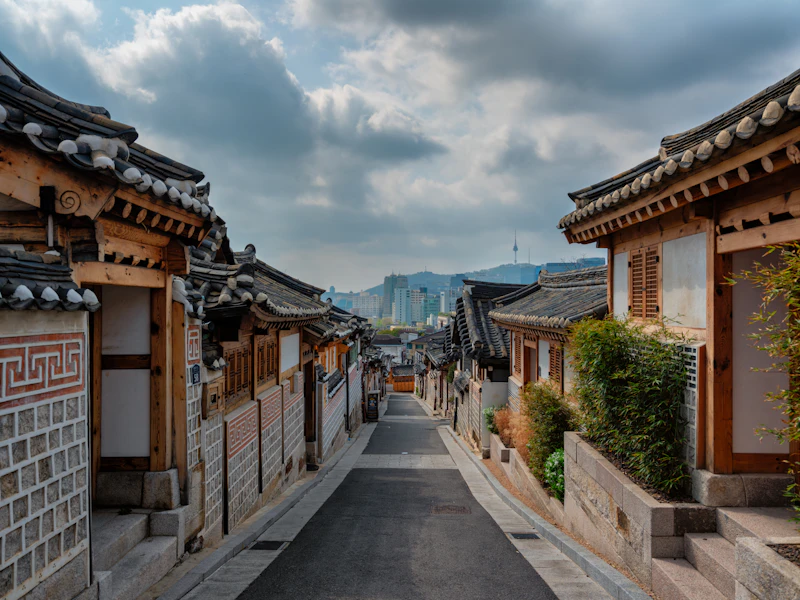
Before heading back to the train station, spend your afternoon exploring Ojukheon House (오죽헌), one of the oldest wooden residential buildings remaining in South Korea. Ojukheon gets its name from the black bamboo tree (Ojok) growing in the courtyard.
This historical site is the birthplace of the prominent Joseon-era Confucian scholar Yulgok Yi I (depicted on the ₩5,000 bill) and his mother, Shin Saimdang (artist and writer depicted on the ₩50,000 bill). In autumn, the traditional Korean architecture (Hanok), dark stone walls, and black bamboo groves are complemented by brilliant autumn leaves across the grounds.
- Operating Hours: 9:00 AM – 6:00 PM (Last ticket sale at 5:00 PM)
- Admission Fee: Adults: ₩3,000 / Youths: ₩2,000 / Children: ₩1,000
- Distance from Lake Gyeongpo: 10 minutes by taxi (approx. ₩6,000)
Estimated Weekend Travel Budget (Per Person)
To help plan your trip, here is a realistic budget breakdown for a 2-day, 1-night autumn weekend in Gangneung based on two adults traveling together:
- Round-trip KTX Train (Seoul–Gangneung): ₩52,000
- Accommodation (1 night in mid-range hotel/pension near Gyeongpo or Anmok): ₩45,000–₩80,000 (per person sharing)
- Food & Coffee (4 meals + 2 cafe visits + street food): ₩60,000–₩90,000
- Local Transportation (Taxis & Buses): ₩15,000–₩25,000
- Attractions & Activities (Arte Museum, Ojukheon, Bike Rental): ₩25,000–₩30,000
- Total Estimated Cost: ₩197,000 – ₩277,000 KRW (approx. $145 – $205 USD)
Practical Travel Tips for Gangneung in Autumn
1. Navigation and Mobile Apps
Google Maps has limited walking and driving direction capabilities in South Korea due to local mapping regulations. Before traveling, download Naver Map or KakaoMap for accurate public bus routes, walking navigation, and estimated taxi fares. For hailing taxis, download the Kakao T app, which allows you to request rides with set destinations without language barriers.
2. Accommodations: Where to Stay
Choosing the right location to stay depends on your travel style:
- Anmok Beach Area: Ideal if you want step-out access to cafes, ocean views, and sea breezes.
- Gyeongpo Beach & Lake Area: Perfect for nature lovers who want proximity to bicycle trails, luxury resort hotels (such as the Skybay Hotel Gyeongpo), and quiet nights.
- Downtown / Near KTX Station: Best for budget travelers seeking convenient transit options, cheap business hotels, and easy access to Gangneung Central Market.
3. Clothing and Layering Advice
Gangneung experiences noticeable temperature swings during autumn. Coastal winds can lower sensible temperatures near the ocean and lake. Pack adaptable clothing that allows for easy layering: lightweight sweaters, long-sleeve tops, a warm windbreaker or autumn jacket, and comfortable walking sneakers for trail paths and cycling.
4. Cash vs. Card
South Korea is a cashless society for the most part. Credit cards (Visa, Mastercard) are accepted at almost all cafes, restaurants, hotels, and attractions in Gangneung. However, carrying around ₩20,000 to ₩30,000 in cash is useful for small vendors inside Gangneung Central Market or renting bikes from smaller roadside vendors.
5. T-Money Card Convenience
Ensure your T-Money card (Korea’s universal transit card) is topped up before leaving Seoul. It can be used seamlessly on all city buses in Gangneung, saving you the hassle of carrying loose bus fare coins.
You Might Also Like
Frequently Asked Questions
How do I get from Seoul to Gangneung?
Take the KTX-Eum high-speed train from Seoul Station or Cheongnyangni Station directly to Gangneung Station. The trip takes about 1.5 to 2 hours and costs approximately 26,000 KRW ($20 USD) one way.
When is the best time to see autumn foliage in Gangneung?
Peak autumn colors in Gangneung typically occur between mid-October and early November. Visiting during this window offers comfortable, crisp weather alongside vibrant fall leaves around Lake Gyeongpo.
How do I get around Gangneung without a car?
You can easily navigate the city using local buses or affordable taxis booked through the Kakao T app. Many major coastal spots, including Anmok Coffee Street and Gyeongpo Beach, are also connected by walkable oceanfront paths.
Searching Korea Editorial Team
Korea Travel Experts · Based in Seoul
this guide of Korea-based travel writers has been exploring South Korea for over a decade. We visit every destination we write about, verify prices and hours firsthand, and update our guides regularly to ensure accuracy. Our mission is to help travelers experience Korea like a local.