
Located inside the Shinsegae Department Store Centum City—officially recognized by Guinness World Records as the world’s largest shopping complex—Spaland (Spa Land Centum City) stands as South Korea’s benchmark for urban luxury bathhouses. Unlike traditional Korean jjimjilbangs (public bathhouses and saunas), which often cater to overnight budget travelers and operate 24 hours a day, Spaland is designed purely as a high-end day resort. It combines natural hot spring waters, themed saunas inspired by international thermal traditions, elegant relaxation lounges, and modern dining into a single sanctuary.
For international travelers visiting Busan, Spaland offers an approachable, high-quality introduction to Korean spa culture. This comprehensive travel guide covers everything you need to know about visiting Centum City Spaland, including facilities, pricing, entry rules, food options, and practical tips for seamless navigation.
Overview and Location: How to Get to Spaland
Centum City Spaland is situated on the 1st floor of the main Shinsegae Department Store building in Haeundae-gu, Busan. Its integration into Busan’s primary commercial hub makes it exceptionally accessible by public transportation.
Location Details
- Address: 35 Centum 4-ro, Haeundae-gu, Busan, South Korea (inside Shinsegae Department Store Centum City, 1st Floor)
- Korean Address: 부산광역시 해운대구 센텀4로 35 (신세계백화점 센텀시티점 1층)
- Nearest Metro Station: Centum City Station (Busan Metro Line 2), Direct Underground Connection via Exit 6 or Exit 12
How to Find the Entrance
If arriving via the metro, take the underground passage directly into the basement floor of Shinsegae Department Store. Take an escalator or elevator up to the 1st floor. Spaland has its own dedicated entrance on the 1st floor, located near Gate 4 and Gate 10 (near luxury brand boutiques such as Dior and Prada). If arriving before the main department store opens at 10:30 AM, use Gate 4 at street level to enter directly into the Spaland lobby.
Operating Hours, Pricing, and Entry Policies
Spaland operates under specific time limits and age restrictions to maintain a peaceful, resort-like atmosphere. Understanding these rules before visiting ensures a smooth experience.
Operating Hours
- Daily Hours: 08:00 AM – 23:00 PM
- Last Admission: 22:00 PM (1 hour prior to closing)
- Note: Spaland is open year-round, including public holidays.
Admission Fees (Korean Won – KRW)
Admission prices are standardized across adults and youth, with slight seasonal or promotional adjustments available online through travel platforms:
- Adults (Ages 13 and older): 23,000 KRW
- Children (Ages 8 to 12): 20,000 KRW
Time Limit and Extension Rules
A standard admission ticket grants access for 4 hours. Because Spaland is intended for day use rather than overnight stays, guests must strictly manage their time to avoid extra fees.
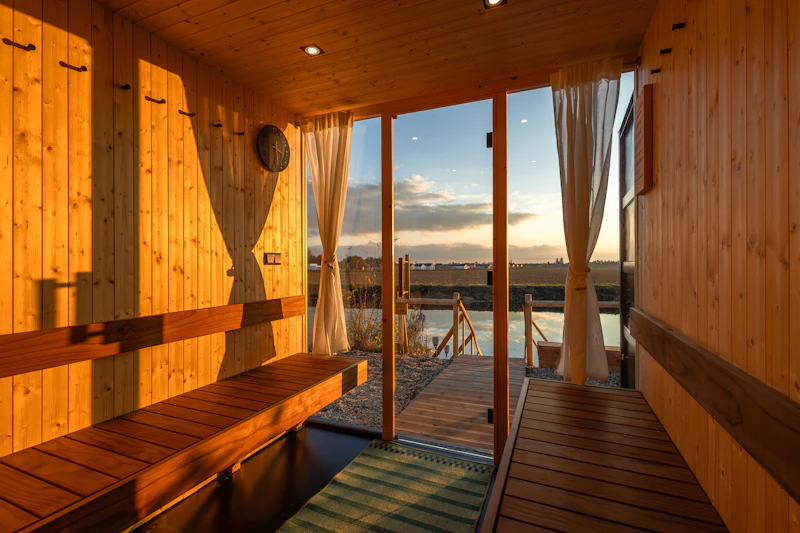
- How to Extend Time: If you spend 10,000 KRW or more per person inside the facility (on food, drinks, massage chairs, or body treatments), your maximum stay is automatically extended by 2 additional hours, giving you a total of 6 hours.
- Overtime Charges: If you exceed your allocated time without meeting the spending requirement (or exceed 6 hours total), an overstay fee of 3,000 KRW per additional hour is charged upon departure.
Age and Entry Restrictions
- Minimum Age: Children under 8 years old (under 84 months) are strictly prohibited from entering to preserve a quiet environment.
- Gender Restrictions for Minors: Children aged 8 and older must enter the wet bath area designated for their legal gender. Mixed-gender access in the bath section is not permitted for children over 105 cm in height or older than 4 years under South Korean regulations.
Step-by-Step Arrival and Entry Process
Navigating a Korean bathhouse for the first time can seem complex, but Spaland follows a streamlined, electronic check-in system designed for maximum convenience.
1. Purchasing Tickets and Electronic Wristbands
Upon arrival at the 1st-floor reception desk, purchase your admission ticket or present your digital booking voucher. The receptionist will hand you a printed receipt displaying a locker number. This number corresponds to both your shoe locker and your main clothes locker inside.
2. Shoe Lockers
Walk past the reception gates into the shoe locker hall. Locate the small shoe locker matching your printed ticket number. Insert your shoes, lock the door, and remove the key keyband attached to the door. This physical wristband key acts as your personal identifier and electronic wallet throughout your visit. Any purchases made inside—such as snacks, meals, or spa services—are scanned onto this wristband and paid for at the exit counter when you leave.
3. Main Locker Rooms and Uniforms
Proceed to the gender-segregated entrances (Men / Women). Tap your wristband key to unlock your designated main locker. Inside your locker, you will find a set of jjimjilbang clothes—a lightweight cotton t-shirt and shorts matching your size. Female guests are provided with two hand towels at check-in, while male guests find unlimited towels stacked inside the locker room area.
The Wet Bath Area: Natural Thermal Hot Springs
The gender-segregated wet bath areas feature authentic, natural hot spring waters drawn from 1,000 meters below ground level. Spaland utilizes two distinct types of spring water, each offering specific dermatological and physiological benefits.
Water Characteristics
- Sodium Bicarbonate Springs: Alkaline spring water known locally as “beauty water.” It removes dead skin cells, softens the skin, and leaves a silky residue without chemical additives.
- Sodium Chloride Springs: Saline thermal water that helps retain body heat, improves blood circulation, and relieves joint and muscular tension.
Bathhouse Facilities
The wet area contains over ten different bath tubs maintained at varying temperatures, ranging from cold plunge pools (18°C–20°C) to intense thermal tubs (41°C–43°C). Key highlights include:
- Event Tubs: Seasonal tubs infused with natural herbs, green tea, or aromatic oils.
- Jet Massage Pools: Hydrotherapy pools featuring high-pressure water jets designed to target back, neck, and leg soreness.
- Outdoor Open-Air Baths (Rotenburo Style): Sheltered outdoor thermal pools with open skies above, allowing bathers to enjoy cool fresh air while soaking in warm water.
- Scrub Room (Seshin): Dedicated areas where professional scrub technicians provide traditional Korean full-body exfoliation services. This service incurs an additional fee (typically 30,000 KRW to 60,000 KRW depending on duration) and can be booked directly inside the locker room.
Note: In accordance with Korean bathhouse tradition, guests must strip completely naked before entering the wet bath section. Bathing suits are strictly prohibited in the hot spring pools.
The Jjimjilbang Zones: World-Class Themed Saunas
Once you have bathed and changed into your provided uniform, you can proceed to the shared mixed-gender sauna spaces. Spaland features over 20 distinct themed rooms spread across two main levels, incorporating both traditional Korean kiln concepts and international aesthetic sauna designs.
1st Floor: Traditional Korean Thermal Saunas
The ground floor of the sauna complex houses high-temperature rooms built using natural materials known in traditional Korean medicine for their therapeutic properties.
- Yellow Earth Room (Hwangto-bang): Constructed with red clay and infrared heating panels, designed to stimulate deep detoxification and tissue relaxation (~50°C–60°C).
- Charcoal Room (Sut-bang): Lined with oak charcoal blocks that absorb impurities, purify the air, and emit negative ions (~50°C–55°C).
- Salt Room (Sogeum-bang): Encased in natural Himalayan rock salt bricks. The dry heat releases microscopic mineral particles that help open respiratory airways and clear the skin (~60°C).
- Bulgaama (Traditional Kiln): The highest-temperature room in Spaland, featuring a stone dome heated by intense infrared energy (~70°C–80°C). Designed for experienced bathers seeking deep sweating.
- Ice Room: A refrigerated chamber kept at cool temperatures (around 12°C–15°C). Used to rapidly cool down the body after visiting high-temperature saunas, tightening pores and boosting vascular circulation.
Outdoor Foot Bath Zone (Foot Spa)
Located on the 1st floor, the Outdoor Foot Bath area features winding paths of warm thermal water set within a landscaped garden terrace. Guests can dip their feet into the heated streams while taking in the open air. During cooler months, padded winter jackets are provided at the exit doors for guests to wear over their spa uniforms.
2nd Floor (1.5 Level): Architectural & Theme-Driven Saunas
Ascending the central staircase leads to a mezzanine layer housing saunas modeled after various global cultures and modern sensory relaxation techniques.
- Roman Sauna: Modeled after ancient Roman thermal baths, utilizing gentle radiant heat (~45°C) to relax muscles without causing excessive sweating.
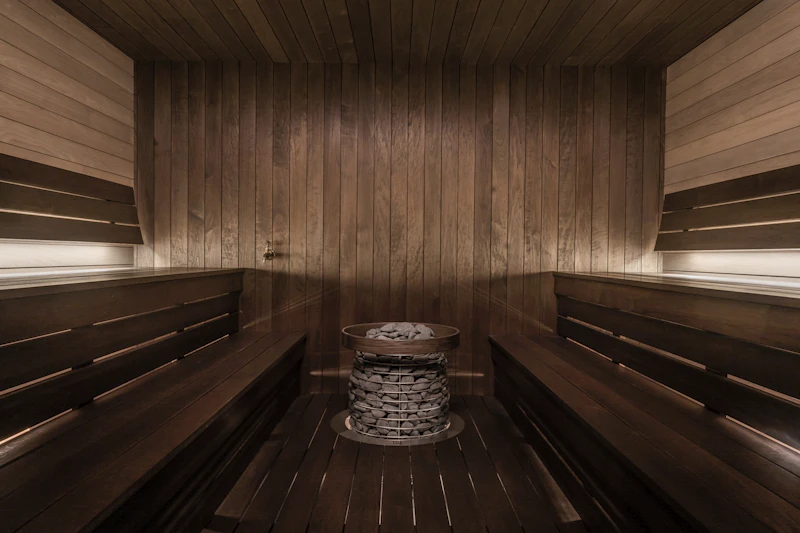
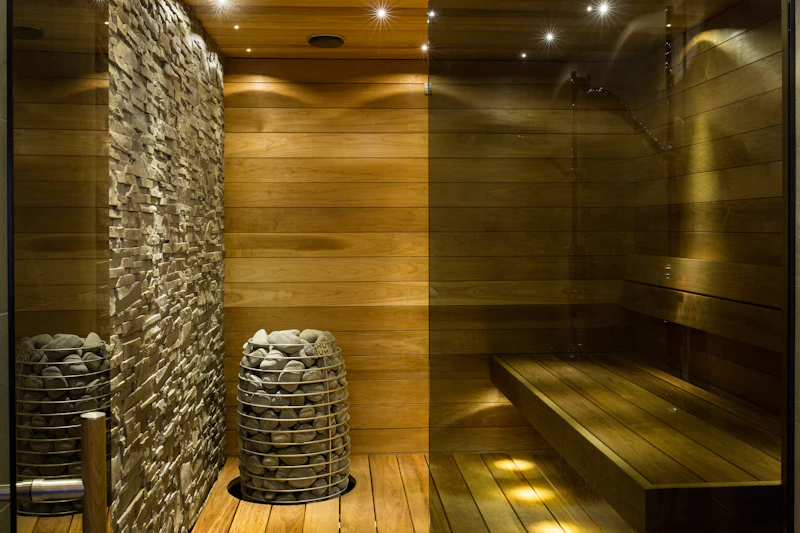
- Finnish Sauna: A classic timber sauna heated by heated rocks, maintaining a low-humidity dry atmosphere (~60°C).
- Wave Dream Room: A low-temperature, meditative dark room featuring water ripples projected across the ceiling, paired with ambient soothing sounds.
- SEV Room: Incorporates Japanese Quantum Energy technology to supply natural negative ions, aiming to reduce bodily inflammation and oxidative stress.
- Body Sound Room: Combines gentle warmth with acoustic nature sounds designed to reduce mental stress and induce deep relaxation.
Relaxation Facilities, Entertainment, and Services
Beyond the thermal saunas, Spaland provides extensive spaces intended for rest, sleeping, and personal wellness on its upper level.
Relaxation Lounge
The top floor features a massive quiet lounge filled with dozens of plush, leather recliner chairs. Each recliner is equipped with an individual audio screen for watching television, movies, or listening to music. Large floor-to-ceiling windows overlook the surrounding city, making it a popular spot for an afternoon nap.
Massage and Aesthetics
- Automatic Massage Chairs: Premium electronic massage chairs are situated throughout the 2nd floor. Guests scan their electronic wristband to activate a 15–20 minute session (typically costs 3,000 KRW to 5,000 KRW).
- Aesthetic Spa Center: Offers professional face massage, reflexology, and full-body aromatherapy oil treatments. Bookings must be made directly at the spa desk on the upper level, with prices starting around 60,000 KRW.
Food and Dining Options Inside Spaland
Staying hydrated and nourished is an integral part of the Korean spa experience. Spaland offers both classic Korean bathhouse snacks and full-course restaurant meals.
Spaland Restaurant (2nd Floor)
The main restaurant serves high-quality, authentic Korean comfort food in a clean, modern dining room setting. Serving sizes are generous, and dishes are designed to replenish lost minerals after sweating in the saunas.
Popular Menu Items & Pricing:
- Galbitang (Beef Short Rib Soup): ~15,000 KRW – 18,000 KRW
- Kimchi Jjigae (Spicy Kimchi Stew): ~11,000 KRW – 13,000 KRW
- Tonkatsu (Deep-Fried Pork Cutlet): ~13,000 KRW
- Bibimbap (Mixed Rice with Vegetables & Meat): ~12,000 KRW
- Seaweed Soup (Miyeok-guk): ~11,000 KRW – 12,000 KRW
Snack Bar & Cafe
Located near the main sauna hall, the snack counter offers traditional Korean jjimjilbang treats, modern coffees, and ice creams.
- Sikhye (Sweet Rice Beverage): ~4,500 KRW. A traditional chilled malt beverage served in large cups, essential for quick energy replenishment.
- Baked Eggs (Maekbanseok Gyeran): ~3,000 KRW for a set of 3. Mineral-baked roasted eggs with a nutty flavor and dense texture.
- Ramen / Instant Noodles: ~5,000 KRW
- Iced Americano / Soft Serve Ice Cream: ~4,000 KRW – 5,000 KRW
Important Bathhouse Rules and Cultural Etiquette
To respect local customs and ensure a comfortable visit, keep the following etiquette guidelines in mind:
- Shower Before Bathing: You must take a thorough shower with soap and water at the washing stations in the wet bath area before entering any shared hot spring pools.
- Hair Etiquette: Long hair must be tied up or secured with a shower cap/towel to prevent hair from floating in the communal thermal pools.
- Strict Photography Bans: Cameras and mobile phones are strictly prohibited inside the locker rooms and wet bath areas. Using mobile phones in shared sauna zones is allowed, but guests must respect the privacy of others and avoid capturing other visitors in video or photo backgrounds.
- Noise Levels: The upper relaxation lounges and thematic sauna rooms are quiet zones. Keep phone calls to designated hallway areas and speak in hushed tones.
- Tattoos Policy: While small, discreet tattoos are generally accepted at Spaland compared to strict Japanese hot spring (onsen) standards, visitors with large, full-body tattoos should maintain low visibility and exercise discretion, particularly in the public wet bath areas.
Practical Tips for Visiting Centum City Spaland
Maximize your comfort and budget with these practical recommendations:
- Visit During Off-Peak Hours: Spaland experiences high foot traffic on weekends and public holidays between 13:00 PM and 18:00 PM. For a peaceful, crowd-free experience, aim to arrive between 08:00 AM and 10:30 AM on a weekday, or visit after 19:00 PM in the evening.
- Extend Your Time Strategically: To extend your time limit from 4 hours to 6 hours without penalty, make sure your total spending at the restaurant or snack bar reaches at least 10,000 KRW per person. Keep your food receipts to verify spending if needed.
- Travel Light: High-end personal care amenities are provided free of charge in the locker room, including body lotion, hair toner, hair dryers, cotton pads, toothbrushes, and high-quality body wash/shampoo in the shower stalls. You do not need to bring your own toiletries unless you prefer specific personal products.
- Pairing with a Haeundae Itinerary: Combine your trip to Spaland with nearby attractions. Centum City is only two subway stops away from Haeundae Beach and Marine City, making Spaland an ideal afternoon recovery spot after walking around Busan’s coastal attractions.
- Book Online in Advance: Check major travel booking platforms (such as Klook, Trazy, or Trip.com) before going. Discounted foreign tourist admission passes are frequently available, reducing the entry price by 10% to 20%.
You Might Also Like
Frequently Asked Questions
Is Spa Land Centum City open 24 hours, and can you sleep overnight?
No, Spaland operates as a day resort from 8:00 AM to 11:00 PM (last entry at 10:00 PM) and does not allow overnight stays.
How much is admission to Spaland Busan, and how long can I stay?
Tickets cost approximately 20,000 to 23,000 KRW (around $15–$18 USD) per adult for a 4-hour stay limit. You can extend your stay to 6 hours if you spend at least 10,000 KRW on food, drinks, or spa services inside.
Are tattoos allowed at Spa Land Centum City?
Yes, Spaland allows guests with tattoos and does not require you to cover them. However, you must still follow general bathhouse etiquette, including showering thoroughly before entering the gender-segregated naked bath areas.
Searching Korea Editorial Team
Korea Travel Experts · Based in Seoul
this guide of Korea-based travel writers has been exploring South Korea for over a decade. We visit every destination we write about, verify prices and hours firsthand, and update our guides regularly to ensure accuracy. Our mission is to help travelers experience Korea like a local.